Is Crappie Good to Eat?
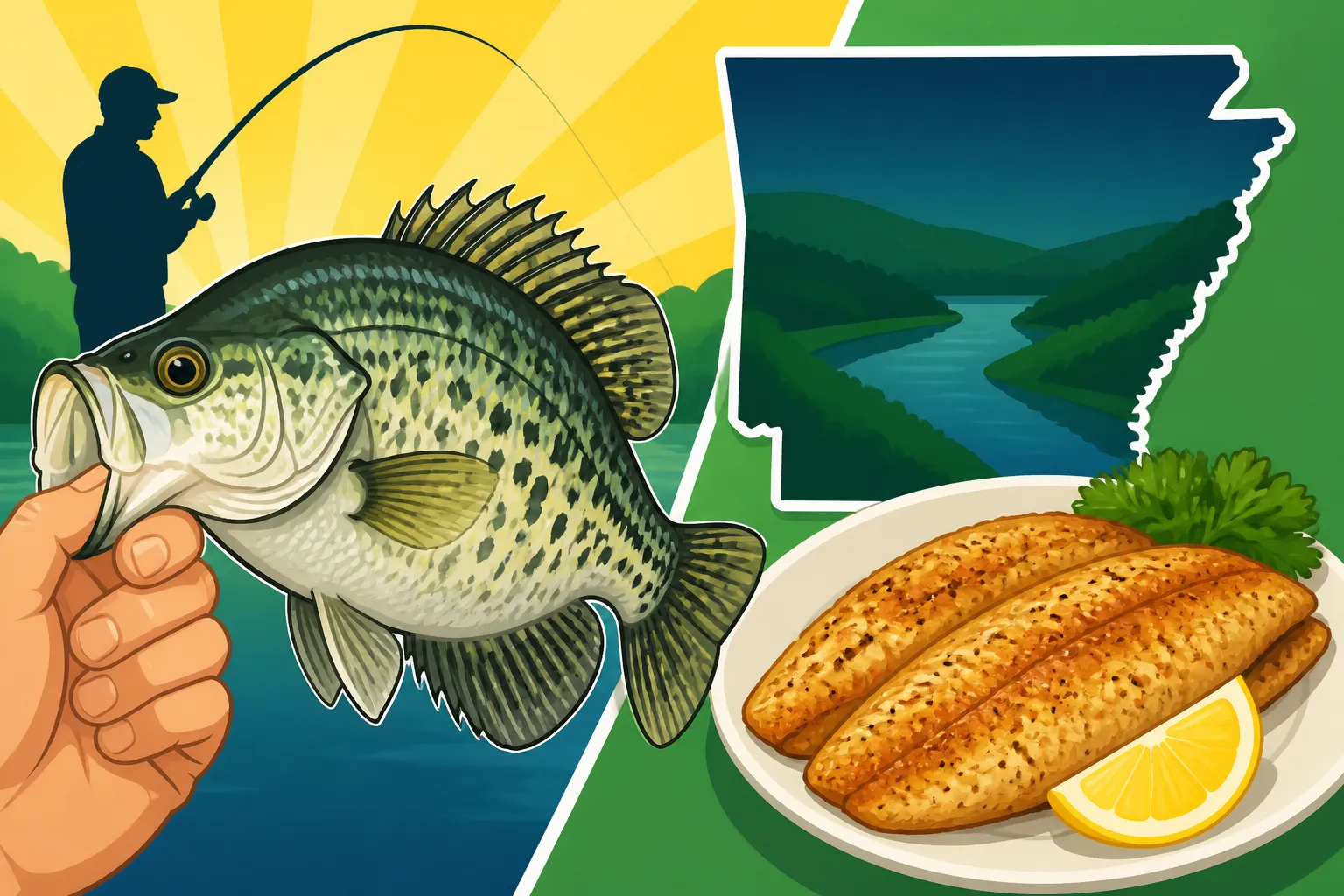
You’ve just pulled a beautiful stringer of crappie from an Arkansas lake, and the age-old question pops into your head: "Is crappie good to eat?" It’s a valid question, especially if you're new to fishing or have had less-than-stellar experiences with other freshwater fish. Many anglers wonder if these popular panfish live up to their reputation on the dinner plate. This guide is going to dive deep into exactly why crappie is considered one of the finest eating fish out there and how to prepare it to truly shine for your family and friends.
The Exquisite Flavor and Texture of Crappie
When it comes to freshwater fish, crappie often stands at the top of many anglers' lists for its culinary qualities. It’s not just hype; there’s a genuine reason why so many people rave about eating crappie. Understanding what makes it so desirable starts with its unique flavor profile and delicate texture.
The Mild, Sweet Taste
One of the most appealing aspects of crappie is its incredibly mild and slightly sweet taste. Unlike some larger, more assertive freshwater species, crappie doesn't have that strong, "fishy" flavor that can deter some diners. This makes it a fantastic option for those who are typically hesitant about eating fish, or for introducing seafood to children.
The sweetness comes from their diet and the clean waters they inhabit. Crappie typically feed on a variety of small prey, including minnows and aquatic insects, rather than bottom-dwelling organisms that might impart an earthy flavor. This diet, coupled with the pristine environments of many Arkansas lakes and rivers, contributes to their clean and delightful taste.
Think about how this compares to what you might find in a grocery store. Many commercially available white fish are chosen for their mildness, and crappie truly holds its own, often surpassing them in terms of fresh, vibrant flavor. It’s a taste that complements a wide range of seasonings without being overwhelmed.
Flaky, Tender White Meat
Beyond the flavor, the texture of crappie is simply sublime. Crappie fillets are known for being exceptionally flaky and tender, practically melting in your mouth when cooked correctly. There's no tough, chewy, or rubbery texture here, which is a common complaint with less-than-ideal fish.
This tender, delicate consistency makes crappie a joy to eat. It’s easy to flake apart with a fork, making it highly accessible for all ages. It’s particularly satisfying when fried to a golden crisp, creating a beautiful contrast between the crunchy exterior and the soft, moist interior.
Moreover, this tenderness also translates into quick cooking times. Crappie fillets are typically thin, meaning they cook through rapidly, which is a huge advantage for getting a delicious meal on the table after a long day of fishing or when you're simply short on time. A quick pan-fry or bake, and you're ready to enjoy one of Arkansas's finest natural delicacies.
Factors Influencing Crappie's Culinary Quality
While crappie generally has a reputation as an excellent eating fish, not all crappie are created equal. Several factors can significantly impact the taste and texture of your catch, from where it lives to how you handle it once it's on the boat or bank. Understanding these elements can help you ensure every crappie meal is a memorable one.
Water Quality and Habitat
This is perhaps the single most crucial factor in determining how good your crappie will taste. Just like any fish, the environment a crappie calls home directly influences its flavor. Fish from clean, clear, well-oxygenated waters almost always taste superior to those from stagnant, murky, or polluted environments.
In Arkansas, we are incredibly fortunate to have an abundance of beautiful, healthy waterways. Crappie pulled from pristine reservoirs like Lake Ouachita or Bull Shoals Lake are renowned for their clean flavor. Conversely, crappie from shallower, warmer, or muddy ponds might occasionally carry a slight "earthy" or "muddy" taste due to algae or bottom sediment, though this is less common with crappie than with some other species. If you're targeting crappie, consider the specific body of water and its general health. For an idea of where to find the best-tasting crappie, check out our guide on Where to Catch Crappie in Arkansas.
Diet of the Fish
What a crappie eats plays a direct role in its flesh quality and flavor. Crappie are primarily carnivorous, feasting on small minnows, insect larvae, and tiny crustaceans. This diet of protein-rich prey contributes to their lean, firm, and subtly sweet white meat.
Fish that have a diet heavy in algae or bottom detritus tend to develop different, often less desirable, flavor notes. Thankfully, crappie's preferred diet helps maintain their reputation as a clean-tasting fish. If you're using live bait like minnows or small worms, you're essentially mimicking their natural forage, which aligns with their preferred diet and contributes to the quality of the fish you'll catch.
Proper Handling After the Catch
You could catch a crappie from the most pristine waters with the perfect diet, but if you don't handle it properly after the catch, its quality will diminish rapidly. This step is absolutely critical for ensuring the best possible taste on your plate. Many anglers overlook this, only to wonder why their fish tastes "off."
The moment a fish is caught, its internal processes begin to change, affecting its flesh. It’s vital to get your crappie on ice immediately. A cooler filled with ice will rapidly chill the fish, slowing down bacterial growth and preserving the integrity of the meat. Many experienced anglers go a step further and bleed their fish immediately by making a cut to the gills. This removes blood from the flesh, which can contribute to a stronger, less pleasant taste if left in. For maximum freshness, cleaning your crappie as soon as possible after returning from the water is also highly recommended. The quicker you go from water to ice to fillet, the better the end result.
Preparing Crappie for a Delicious Meal
So, you've successfully caught some beautiful crappie and handled them with care. Now comes the exciting part: turning them into a delectable meal. Proper preparation is just as important as proper handling to unlock the full potential of this fantastic eating fish. From cleaning to cooking, a few key steps will ensure your crappie dish is a triumph.
Cleaning and Filleting for Optimal Flavor
The journey to a delicious crappie meal begins with thorough cleaning. While some prefer to cook smaller crappie whole after gutting, filleting is generally preferred for larger fish, providing boneless, skinless portions of pure white meat. This eliminates the small bones that can be a nuisance and ensures a truly pleasant dining experience. You might want to refer to resources on Minimum Size Limit for Keeping Crappie in Arkansas to know which ones are worth filleting.
To fillet, you'll need a sharp, flexible fillet knife. Many excellent options are available on Amazon that can make this task much easier. After filleting, it's crucial to rinse the fillets under cold running water to remove any lingering blood, scales, or membrane. Pat them thoroughly dry with paper towels before cooking; this step is often overlooked but is essential for achieving a good sear or crispy crust, as excess moisture can lead to steaming rather than browning.
Popular Cooking Methods
Crappie's mild flavor and flaky texture make it incredibly versatile, lending itself to a variety of cooking methods. However, one method stands out as an undeniable classic, especially in the South: frying.
- Pan-Frying: This is the undisputed champion for crappie. A light breading, often cornmeal-based and seasoned with salt, pepper, and perhaps some paprika or Cajun spices, creates a wonderfully crispy crust. The quick cook time ensures the interior remains tender and moist. It’s hard to beat the simple perfection of fresh, hot, pan-fried crappie.
- Baking: For a healthier option, baking crappie fillets is fantastic. Place them in a baking dish with a pat of butter, a squeeze of lemon juice, fresh dill, or other herbs. Bake until the fish flakes easily with a fork. This method truly highlights the delicate flavor of the fish.
- Grilling: While less common for the delicate fillets, crappie can be grilled, especially if placed in a foil packet with vegetables, butter, and seasonings. This prevents the fish from sticking to the grates and infuses a smoky flavor.
- Sautéing: A quick sauté in butter or olive oil with garlic and herbs is another excellent way to enjoy crappie. The speed of this method ensures the fish remains incredibly tender.
Don't be afraid to experiment! The mildness of crappie means it can adapt to many different culinary traditions.
Seasoning and Flavor Pairings
Crappie's subtle taste makes it a perfect canvas for a wide array of seasonings and flavor pairings. You don't want to overpower its delicate flavor, but rather enhance it.
Classic pairings often include bright, fresh ingredients:
- Lemon: A squeeze of fresh lemon juice is almost mandatory for fried or baked crappie, cutting through any richness and adding a zesty brightness.
- Herbs: Dill, parsley, chives, and even a touch of thyme complement crappie beautifully. Fresh herbs are always best.
- Garlic and Onion: Finely minced garlic or a sprinkle of garlic powder and onion powder can add depth without being too strong.
- Butter: A good quality butter, whether melted over baked fillets or used for pan-frying, adds a rich, satisfying flavor.
For those who enjoy a bit more zest, consider a light dusting of Cajun seasoning or Old Bay, which will add a savory, spicy kick without completely masking the fish. You can find a vast selection of seasoning blends on Amazon to suit any palate. Ultimately, keep it simple to let the natural deliciousness of the crappie shine through.
Here's a quick comparison of popular crappie cooking methods:
| Cooking Method | Flavor Profile/Texture | Best For | Quick Tip |
|---|---|---|---|
| Pan-Frying | Crispy exterior, flaky interior, rich flavor from oil | Classic Southern comfort, quick meals | Use a light breading like cornmeal or seasoned flour |
| Baking | Moist, tender, delicate flavor | Healthier option, easy cleanup, less active cooking | Add lemon slices, herbs (dill!), and a pat of butter |
| Grilling | Smoky char, firm but moist, distinct flavor from grill | Outdoor cooking, great for picnics | Use a foil packet to prevent sticking and drying out |
| Sautéing | Lightly browned, very tender, quick cooking | Weeknight meals, showcasing fresh flavor | Cook quickly in butter or olive oil with garlic |
Common Misconceptions and Troubleshooting Bad Taste
Despite its generally glowing reputation, some anglers or home cooks might occasionally encounter a crappie that doesn't quite live up to expectations. This can lead to misconceptions about the species as a whole. Addressing these common issues can help ensure your crappie is always top-notch and allows you to troubleshoot any problems effectively.
"Muddy" Taste: Reality vs. Myth
One of the most enduring myths about freshwater fish is that they all taste "muddy." While it's true that certain species, particularly bottom feeders from poor quality waters, can sometimes have an earthy or muddy flavor, this is generally not the case for crappie, especially those caught in Arkansas's many clean lakes and rivers.
When a crappie does taste "muddy," it's usually due to one of two primary reasons, rather than an inherent quality of the fish itself. First, the fish might have been caught from very shallow, warm, or stagnant water with a high concentration of algae. Algae can produce compounds that are absorbed by the fish, imparting an undesirable flavor. Second, and more commonly, a "muddy" taste can result from improper handling after the catch. If the fish is left to warm up, not bled, or not cleaned quickly enough, off-flavors can develop.
If you do happen to catch crappie that you suspect might have a slightly off-flavor, a common trick is to soak the fillets in milk for an hour or two in the refrigerator before cooking. The milk proteins are believed to help draw out and neutralize some of these unwanted flavors. Then, simply rinse the fillets thoroughly and pat them dry before proceeding with your chosen cooking method. Don't let one less-than-perfect experience write off a whole species!
Ensuring a Fresh Catch
As we've touched on, the journey from the water to your dinner plate is absolutely critical for the taste of your crappie. Even the freshest fish will suffer if not handled correctly. Taking a few extra steps on the water can make all the difference. Understanding things like Arkansas Crappie Fishing Season Guide and proper techniques can also help with catch quality.
First and foremost, invest in a good cooler and plenty of ice. As soon as you catch a crappie you intend to keep, get it on ice immediately. This rapid cooling slows down spoilage and preserves the delicate flavor of the meat. Many serious anglers also carry a small bleeding tool or a sharp knife to quickly cut the gills of the crappie, allowing the blood to drain. This process, called "bleeding out," results in whiter, cleaner-tasting fillets.
Once you’re off the water, clean your crappie as soon as possible. Don't let them sit uncleaned for hours, even on ice, if you can help it. The sooner you fillet and rinse them, the better. For long-term storage, freezing is an excellent option. For best results, consider a vacuum sealer, readily available on Amazon, which removes air and prevents freezer burn, keeping your crappie tasting fresh for months. Properly stored crappie fillets can be a true delight well after your fishing trip.
Storage and Freezing Best Practices
Once you've cleaned and filleted your crappie, proper storage is paramount whether you plan to cook it that day or save it for later. Mishandling at this stage can quickly negate all your efforts on the water.
For immediate consumption, store your crappie fillets in an airtight container in the coldest part of your refrigerator, preferably on a bed of ice if you can manage it. They are best cooked within 24-48 hours. The fresher, the better!
For longer storage, freezing is the way to go. The key to successful freezing is to protect the delicate fish meat from air, which causes freezer burn and degrades quality. As mentioned, a vacuum sealer is an excellent investment. Simply place your dry fillets into a vacuum seal bag, remove the air, and seal. If you don't have a vacuum sealer, you can use freezer-safe bags or containers, trying to remove as much air as possible. Some anglers even submerge fillets in water inside a freezer bag to create an ice block, which provides an effective barrier against air. This simple technique, or using quality freezer bags and parchment paper (also found on Amazon), can keep your crappie delicious for up to six months.
Disclaimer
This article is for general informational purposes only and does not constitute professional advice. Laws, prices and regulations vary by location and change over time. Consult a qualified professional for guidance on your specific situation.