Best Striper Fishing Spots on Norfork Lake, Arkansas
Trying to navigate the vast, sparkling waters of Norfork Lake in search of its legendary striped bass can feel like looking for a needle in a haystack, especially if you're new to this incredible fishery. It's easy to feel overwhelmed by the sheer size and diverse topography of the lake. This comprehensive guide is here to cut through the confusion, revealing the prime striper fishing spots on Norfork Lake and arming you with the knowledge to make your next trip a resounding success.
Understanding Norfork Lake's Striper Dynamics
Norfork Lake, nestled in the beautiful Ozark Mountains, isn't just another pretty face; it's a world-class fishery, especially renowned for its striped bass. But what makes this particular lake such a magnet for these hard-fighting predators? The answer lies in its unique characteristics and how stripers adapt to them throughout the year.
Why Norfork Lake is a Striper Paradise
First off, Norfork Lake is a deep, clear, cold-water reservoir, which is absolutely ideal for striped bass. Unlike some other species that prefer warmer, shallower conditions, stripers thrive in cooler, oxygen-rich waters. The White River system, feeding Norfork, ensures a consistent supply of cold water, particularly important during the sweltering Arkansas summers when other lakes might see stripers stressed by heat. The lake's irregular bottom contour, filled with submerged timber, old roadbeds, and countless humps and points, provides a complex habitat that stripers adore for ambushing bait.
But perhaps the biggest reason Norfork is a striper paradise is its incredible forage base. Gizzard shad and threadfin shad are abundant, providing a constant, rich food source for stripers to grow big and strong. You'll often hear stories of anglers finding schools of stripers absolutely gorging themselves on these baitfish. The consistent presence of this prey allows stripers to reach impressive sizes, making Norfork famous for its trophy potential. We've even discussed How Big Do Norfork Lake Stripers Get? in detail.
Seasonal Striper Movements
Striped bass are constantly on the move, their behavior dictated largely by water temperature, oxygen levels, and the location of their primary food source: shad. Understanding these seasonal patterns is crucial for consistent success on Norfork. It's not enough to know a spot; you need to know when that spot is likely to be hot.
In spring, as water temperatures begin to rise into the 50s and 60s, stripers will often move shallower, congregating in the upper reaches of creek arms and main lake flats. They're driven by the urge to spawn, though their spawning efforts in reservoirs like Norfork are rarely successful. Nevertheless, this movement makes them more accessible to anglers. Look for them around points and submerged cover where they can ambush schools of pre-spawn shad. This is an exciting time to be on the water, often with explosive topwater action early in the mornings.
Summer fishing on Norfork Lake, especially for stripers, means going deep. As the surface waters warm, stripers retreat to the cooler, oxygenated depths, usually following the thermocline. This is typically found at depths ranging from 30 to 60 feet, but it can vary by year and specific location. They'll relate heavily to main lake points, humps, and channel bends. This is when downlining live bait becomes king, though early morning or late evening topwater boils can still erupt when stripers push bait to the surface. For a deeper dive, check out our guide on Summer Striper Fishing at Norfork Lake Arkansas.
Fall brings a renewed sense of urgency to striper fishing. As water temperatures cool down, stripers become incredibly active, feeding aggressively in preparation for winter. They'll follow large schools of shad into the backs of creek arms and along shallower points. This can be one of the best times for trolling deep-diving crankbaits or casting jigs and spoons into feeding frenzies. The fish are often more widely dispersed but intensely focused on finding food.
During winter, stripers will typically be found in deep water, often in the main lake channels or the deepest parts of major creek arms. They might suspend over vast depths or hug tighter to structure like steep bluff walls. While activity can slow down with colder water, stripers still need to eat. Vertical jigging spoons or downlining live bait in these deep areas can be highly effective, especially on sunny days when they might move up slightly in the water column. Don't let the cold deter you; winter can yield some of the biggest stripers.
Top Striper Fishing Hotspots on Norfork Lake
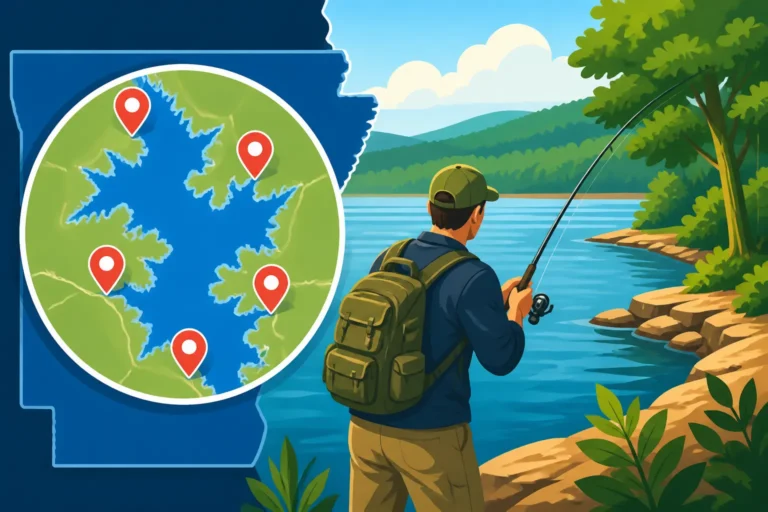
Norfork Lake is huge, boasting over 22,000 acres of water and more than 500 miles of shoreline. To narrow down your search for stripers, it helps to know the general areas that consistently produce big fish. These spots often concentrate baitfish or offer unique structural advantages that stripers exploit.
The Dam and Main Lake Points
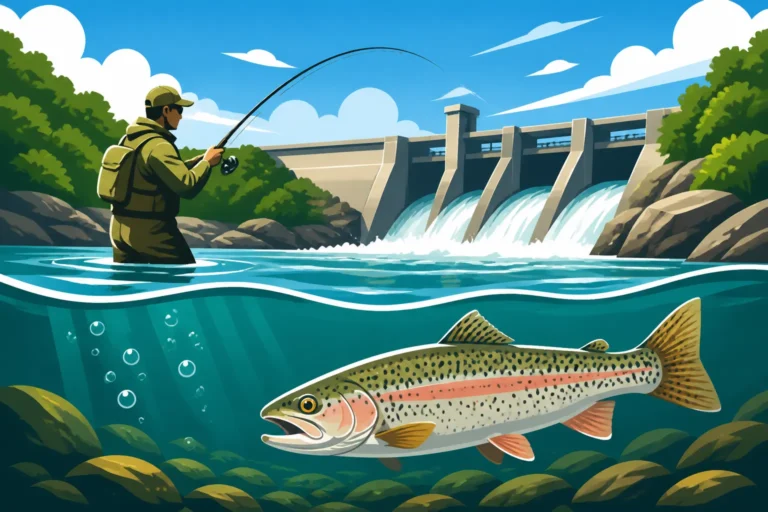
The area around the Norfork Dam is legendary for its striper fishing. The deep, cold water released from the dam through the hydroelectric generators creates strong currents, particularly in the lower lake. This current often concentrates baitfish, which in turn draws in hungry stripers. The deep water adjacent to the dam itself, as well as the numerous prominent points and bluff lines in the immediate vicinity, are perennial hotspots. You'll find stripers suspending at various depths, often in huge schools, especially during periods of generation.
Moving away from the dam, the major main lake points, especially those that drop off quickly into deep water, are crucial. Think about points that extend far out into the lake, perhaps with submerged humps or rocky structures just off their tips. These acts as natural ambush points for stripers waiting for shad to pass by. Examples include the points around Big Creek, Brushy Creek, and Pigeon Creek mouths where they meet the main lake. Anglers frequently use their electronics to scout these areas for baitfish schools and the tell-tale arches of stripers below.
Major Creek Arms and Tributaries
While the main lake holds plenty of stripers, don't overlook Norfork's extensive creek arms. These fingers of the lake offer varying depths and cover, and stripers will move into them, especially when baitfish push into shallower waters or during seasonal migrations. Big Creek, Brushy Creek, East Pigeon, and Bennett's Bayou are all renowned for their striper populations.
Within these creek arms, focus your efforts on the old creek channels. These submerged channels often hold deeper water and provide travel corridors for stripers. Look for sharp bends in these channels, submerged timber, and any significant irregularities on the bottom. Baitfish will often congregate around these features, making them prime targets for stripers. Fishing the mouths of these creeks where they open into the main lake can also be incredibly productive, as stripers often stage there before moving deeper or shallower into the arms.
Submerged Humps and Islands
Norfork Lake is famous for its underwater topography, including countless submerged humps and old island tops that were once above water before the lake was filled. These structures are absolute magnets for striped bass. They provide vertical relief in an otherwise vast expanse of water, offering ideal ambush points and places for shad to hide. Locating these humps is where good electronics truly shine.
Many of these humps rise from 60-80 feet of water up to 20-30 feet at their peaks. Stripers will often suspend around these humps, particularly on the deeper side where the thermocline might intersect the structure. When you find a school of baitfish holding on a hump, chances are good that stripers aren't far behind. Popular humps are often found in the main lake basin, but also within the larger creek arms. Don't be afraid to motor around and explore with your sonar – you might discover a new secret spot!
Essential Techniques and Gear for Norfork Stripers
Catching big Norfork stripers isn't just about finding the right spot; it's about employing the right techniques and having reliable gear. These fish are powerful, and they can be finicky, so a well-thought-out approach makes all the difference.
Live Bait Tactics
Without a doubt, live bait is the most consistent producer for striped bass on Norfork Lake, especially big gizzard shad. Stripers are natural predators, and a struggling live shad is an irresistible meal. The challenge often lies in catching your own bait, which usually requires a cast net. Early mornings in shallow coves or around marinas are often good places to find shad.
Once you have your bait, there are several effective ways to present it. Downlining is probably the most common. This involves sending a live shad directly down into a school of stripers that you've located on your sonar, using a heavy sinker to get it to the desired depth. Often, a "Carolina rig" style setup with an egg sinker above a swivel, then a leader to the hook, is used. Another popular method is using planer boards to spread out multiple baits, allowing you to cover more water and target stripers that might be cruising just beneath the surface or along the edges of schools. For fish that are suspended or cruising higher in the water column, free-lining a live shad with minimal weight (or none at all) can be deadly, letting the bait swim naturally. For more tips on this, refer to our guide on Best Live Bait for Striped Bass.
Artificial Lure Strategies
While live bait is often king, artificial lures certainly have their place, especially during aggressive feeding periods or when searching for fish. Trolling is a highly effective way to cover vast amounts of water and locate scattered schools of stripers. Deep-diving crankbaits that can reach depths of 20-30 feet, or even umbrella rigs, are excellent choices. Trolling speed is critical; experiment to find what the fish prefer on a given day, but typically 2-4 mph is a good starting point. Check out our deep dive into Best Lures for Trolling Striped Bass.
When stripers are actively schooling on the surface, creating those famous "boils" where they churn the water feeding on shad, casting becomes exhilarating. Topwater lures like poppers, walking baits, or even large soft plastic swimbaits retrieved quickly through the boil can trigger violent strikes. During other times, heavy spoons or bucktail jigs can be jigged vertically into deep schools or cast and retrieved along points and humps. For a more in-depth look at this, our article on Deep Water Striper Fishing Techniques is a great resource.
Key Equipment for Success
For Norfork Lake stripers, you need robust gear that can handle powerful fish. A medium-heavy to heavy action rod, usually 7 to 8 feet long, paired with a stout baitcasting or spinning reel, is essential. Your reel should have a smooth, reliable drag system and hold a good amount of line. Line choice is also crucial; many anglers prefer 20-30 lb monofilament or fluorocarbon for its abrasion resistance and shock absorption, while others opt for heavier braid (40-60 lb) for increased sensitivity and strength, often with a fluorocarbon leader.
Good electronics are non-negotiable for serious striper fishing on Norfork. A quality sonar unit with GPS, side imaging, and down imaging capabilities will help you locate baitfish, identify structure like submerged humps and creek channels, and most importantly, mark those tell-tale schools of stripers. Look for units from brands like Humminbird, Lowrance, or Garmin. Being able to mark a school of fish at 50 feet and drop your live bait right on their heads is a game-changer. Don't forget your cast net for bait, a sturdy cooler, and a long-handled landing net or lip gripper for safely handling large stripers.
Navigating Norfork Lake and Maximizing Your Trip
Norfork Lake is a fantastic fishery, but it's also a large body of water that requires respect and preparation. Knowing when to go, how to get help, and the rules of the road will ensure a safe and successful outing.
Best Times to Fish and Weather Considerations
As we touched on earlier, different seasons bring different striper behaviors, but within each season, daily factors play a huge role. Early morning and late evening typically offer the best bites, as stripers are often more active during low light conditions. Cloudy or overcast days can extend the bite window into midday, as the reduced light penetration allows stripers to remain more active in shallower waters without feeling as exposed.
However, a major factor on Norfork, especially in the lower lake, is the generation schedule of the Norfork Dam. When the generators are running, the current created can ignite a feeding frenzy, especially for stripers positioned downstream. Always check the generation schedule before you head out, as this can dramatically impact where and how you fish. You can usually find this information on the Southwestern Power Administration website or by calling local marinas. Understanding these nuances will significantly increase your chances of success, as detailed in our guide on the Best Month to Catch Striped Bass at Norfork Lake Arkansas.
Hiring a Local Guide for Norfork Lake Stripers
If you're new to Norfork Lake or striper fishing in general, hiring a local guide can be one of the best investments you can make. These seasoned professionals spend hundreds of days a year on the water, tracking fish movements, understanding current conditions, and knowing exactly where the bite is hot. They'll provide all the necessary gear, bait, and most importantly, invaluable knowledge that would take years to acquire on your own.
A guide can teach you specific techniques, help you understand the lake's unique features, and often put you on trophy-class fish on your very first trip. Many local guides offer half-day or full-day trips. Websites like FishingBooker are excellent resources for finding reputable Norfork Lake striper guides with detailed reviews and booking options. They make it easy to compare services and find the perfect fit for your group. Don't forget to ask about their experience level with stripers specifically!
Safety and Regulations
Safety on Norfork Lake should always be your top priority. It's a large lake with significant boat traffic, especially during peak seasons. Always ensure you have enough life vests for everyone on board, review proper boating safety procedures, and be mindful of changing weather conditions. Summer thunderstorms can roll in quickly, so always keep an eye on the sky and a weather app.
Before you even launch your boat or cast your first line, make sure you're properly licensed. Anyone 16 years or older needs an Arkansas fishing license. If you're targeting trout (which can be caught in the tailwaters below the dam), you'll also need a trout permit. These can be purchased online through the Arkansas Game and Fish Commission website, at local sporting goods stores, or many marinas. Failing to have the correct license can lead to fines. We have a comprehensive article on Arkansas Fishing License Rules and Costs and Arkansas Fishing Regulations Guide to help you understand all the specifics. Always be aware of current length and daily limits for striped bass, as these regulations can change.
| Striper Hotspot | Best Season(s) | Recommended Technique(s) | Key Features to Look For |
|---|---|---|---|
| Dam & Main Lake Points | Year-Round (esp. Summer, Winter) | Downlining live shad, Vertical jigging, Trolling deep divers | Deep water, current breaks, bluff lines, sudden drop-offs |
| Major Creek Arms | Spring, Fall (Summer deep) | Free-lining live shad, Trolling, Casting jigs/spoons | Submerged creek channels, deep bends, timber, baitfish schools |
| Submerged Humps | Year-Round (esp. Summer, Winter) | Downlining live shad, Vertical jigging, Trolling | Vertical relief, baitfish concentration, thermocline intersection |
| Open Water (Mid-Lake) | Summer, Fall | Trolling umbrella rigs, Topwater (during boils) | Large bait balls, bird activity, surface boils |
Remember, Norfork Lake is a dynamic environment, and what works one day might not work the next. Stay adaptable, use your electronics, and don't be afraid to try new spots or techniques. The thrill of hooking into a powerful Norfork striper is an experience that keeps anglers coming back year after year. Good luck out there!
Disclaimer
The information provided in this guide is for general informational purposes only and is not intended as legal advice or a substitute for official regulations. Fishing rules and regulations, including license requirements, catch limits, and permitted techniques, are subject to change. Always consult the official Arkansas Game and Fish Commission website or their printed regulations guide before your fishing trip to ensure compliance with the most current rules. Local conditions, such as water levels and weather, can also impact fishing safety and success. Exercise caution and good judgment when on the water.