Remote Fishing Coves on Lake Ouachita, Arkansas
We’ve all been there: you’re dreaming of a peaceful morning on the water, the sun rising over a glassy lake, and the thrill of a big bite. Instead, you arrive at a popular access point on a beautiful lake like Ouachita, only to find boat ramps bustling, jet skis whizzing by, and every prime fishing spot already claimed. It's frustrating when you're seeking that quiet, unspoiled connection with nature and productive angling, but finding truly remote fishing coves on such a beloved body of water can feel like an impossible quest. This guide is here to help you unlock those secluded havens on Lake Ouachita, offering a roadmap to a more serene and potentially more rewarding fishing experience.
Why Seek Remote Coves on Lake Ouachita?
Lake Ouachita, often called "Arkansas's Diamond Lake," is renowned for its crystal-clear waters, stunning natural beauty, and fantastic fishing opportunities. However, its popularity means that many of the easily accessible coves and points see a lot of recreational traffic, especially during peak season. Anglers often yearn for those hidden gems where the fish haven't seen every lure in the tackle box, and the only sounds are the dip of your paddle and the call of a distant loon.
The Allure of Solitude and Pristine Waters
There's a special kind of magic in finding a cove where the shorelines are untouched, the water reflects the sky like a mirror, and you feel miles away from the nearest human. For many, fishing isn't just about catching fish; it's about the experience, the peace, and the chance to disconnect from the daily grind. Remote coves on Lake Ouachita offer this in spades. They provide a sanctuary where you can truly immerse yourself in nature, observing wildlife without interruption and enjoying the tranquility that often eludes anglers on more popular stretches of the lake.
Imagine pulling into a quiet inlet, the only sound the gentle lap of water against your boat. The air is fresh, perhaps scented with pine, and the morning mist still hangs low over the water. This kind of environment not only rejuvenates the soul but also sets the stage for a truly memorable fishing trip. The unspoiled habitat often found in these remote areas supports a healthier ecosystem, which in turn benefits the fish population. It’s a chance to see Lake Ouachita in its most pristine state, a stark contrast to the more developed areas. For more general information about this magnificent body of water, check out our guide on Lake Ouachita: Arkansas's Largest Lake for Bass and Crappie Fishing.
Unpressured Fish and Bigger Catches
One of the most compelling reasons to venture into remote coves is the potential for better fishing. Fish in heavily trafficked areas become accustomed to boats, motors, and a constant barrage of lures. They learn to be wary, making them harder to trick. In contrast, fish residing in remote coves are often less educated and more willing to strike. These unpressured fish haven't seen every crankbait or soft plastic thrown their way, which can make them more aggressive and less hesitant.
This reduced pressure often translates into not only more bites but also the chance to land larger, trophy-sized fish. Bigger fish tend to be older and wiser, often seeking out quieter, food-rich areas where they don't have to compete as much or constantly evade predators – including human ones. By targeting these secluded spots, you're tapping into a resource that many other anglers overlook or simply don't have the means to reach. It’s an angler's secret weapon, offering a competitive edge and the sheer joy of outsmarting fish that aren't constantly on high alert. Whether you're targeting bass, crappie, or even stripers, these secluded havens can drastically improve your odds. If you're wondering where specifically to target different species, our guide on Best Fishing Spots on Lake Ouachita, Arkansas has more general location ideas, many of which can lead you to more remote possibilities.
Identifying and Accessing Secluded Spots
The challenge with remote coves, of course, is finding them. Lake Ouachita is vast, with over 700 miles of shoreline and hundreds of islands, offering countless nooks and crannies to explore. It requires a bit of planning and the right approach, but the rewards are well worth the effort.
Mapping Tools and Navigation for Remote Coves
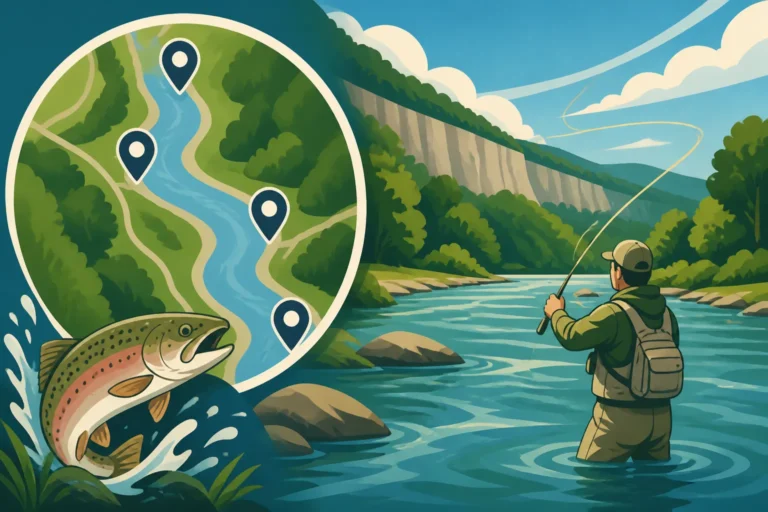
Gone are the days when you needed a paper map and a compass to find hidden gems (though those are still excellent backup tools!). Modern technology has made exploring remote areas much more accessible. High-definition satellite imagery, available through apps like Google Maps, Navionics, or even specialized fishing apps, is your best friend. Look for areas with minimal road access, dense tree cover, and intricate shoreline features like small fingers, deep cuts, or submerged timber that might deter larger boats or casual visitors.
When studying these maps, pay close attention to depth contours. Remote coves often have unique underwater structures, like sudden drop-offs, humps, or old creek channels, that attract fish. These features might not be obvious from the surface, but a good contour map will reveal them. You can also identify potential access points, whether it’s a faint trail from a secluded campsite or a narrow channel that only a kayak or smaller boat can navigate. The key is to spend time scouting these areas digitally before you even launch your boat. This pre-trip research is invaluable for saving time and fuel once you're on the water.
Another great strategy is to talk to local bait shop owners or long-time anglers. While they might not give up their exact honey holes, they can often point you towards general areas known for being less crowded or offering good fishing when other spots are slow. Services like FishingBooker can sometimes connect you with local guides who specialize in exploring these more off-the-beaten-path areas, offering an expert's insight if you're feeling overwhelmed.
Essential Gear for Reaching Off-the-Beaten-Path Coves
Accessing remote coves often means leaving the big, fast bass boats at the dock. Smaller, more maneuverable craft are typically the way to go. Kayaks, canoes, paddleboards, or even small johnboats with a trolling motor are ideal. These vessels allow you to slip into tight spaces, navigate shallow water, and avoid spooking fish with loud outboard motors. A reliable trolling motor with GPS Spot-Lock is a game-changer for holding your position quietly, allowing you to thoroughly work a remote bank without constantly paddling or repositioning.
Beyond your vessel, consider:
- Navigation Equipment: A handheld GPS device or a robust marine GPS unit (even if just on your phone/tablet with waterproof casing) is crucial. Cellular service can be spotty in remote parts of Lake Ouachita, so downloaded maps are a must.
- Safety Gear: Always pack extra water, snacks, a first-aid kit, a whistle, a fully charged communication device (and backup battery), and personal flotation devices (PFDs) for everyone on board. Since you'll be remote, self-reliance is paramount.
- Shallow Water Anchoring: A pole anchor or shallow water anchoring system can be incredibly useful for silently holding your position close to shore or in shallow timber, especially in a kayak or small boat.
- Sun Protection: Sunscreen, wide-brimmed hats, and UV-protective clothing are essential for long days on the water.
- Appropriate Footwear: If you plan on wading or bank fishing, sturdy water shoes or boots will be necessary.
- Minimalist Tackle: While you want options, don't overpack. Focus on versatile lures that can cover different depths and retrieve speeds, especially those proven effective for the species you're targeting. For example, if you're targeting Where to Catch Crappie on Lake Ouachita, bring a selection of jigs in various colors and weights.
Reading the Water: Signs of Productive Remote Areas
Once you've navigated to a remote cove, the next step is learning to "read the water" to identify where fish might be holding. Even in pristine environments, fish still follow predictable patterns based on structure, cover, food sources, and water conditions.
Look for:
- Visible Cover: Submerged timber (cypress trees, fallen logs), weed beds, rock piles, and brush are classic fish magnets. These provide ambush points for predators and shelter for baitfish. Remote coves often have more natural, undisturbed cover than heavily fished areas.
- Subtle Depth Changes: A sudden transition from shallow flats to deeper water, or vice versa, creates natural highways and feeding zones for fish. Use your sonar (if equipped) to scan for these contours.
- Inflows: Small creeks or springs feeding into a cove can create cooler, oxygenated water and bring in nutrients, attracting both baitfish and game fish. Even a slight current can be a huge indicator.
- Baitfish Activity: Look for schools of shad or other baitfish dimpling the surface, or birds diving for bait. Where there's bait, predators are usually not far behind.
- Shade and Overhangs: On sunny days, fish will often hold in shaded areas under overhanging trees or rock ledges to escape direct sunlight.
- Water Clarity Transitions: The line where clear water meets slightly stained water can often be a productive zone, as it offers a blend of visibility for predators and camouflage for prey.
By paying close attention to these subtle cues, you can quickly narrow down the most promising areas within a remote cove and maximize your fishing time. And remember, sometimes the "remote" nature of the spot itself is the best sign – less human activity often means more natural fish behavior.
Fishing Strategies for Remote Ouachita Coves
Fishing remote coves isn't just about getting there; it's about how you fish once you arrive. The tactics that work in pressured waters might need a slight adjustment for these less-disturbed environments.
Targeting Specific Species in Unpressured Waters
Lake Ouachita is a haven for a variety of game fish, and understanding their behavior in remote, unpressured settings can really boost your success.
- Largemouth Bass: These iconic sport fish thrive in the abundant cover often found in remote coves. Look for them holding tight to submerged timber, around brush piles, or along shaded banks. In unpressured areas, they might be less shy about coming out from cover to strike a lure. Our in-depth guide to Bass Fishing on Lake Ouachita provides more specific tips for these areas.
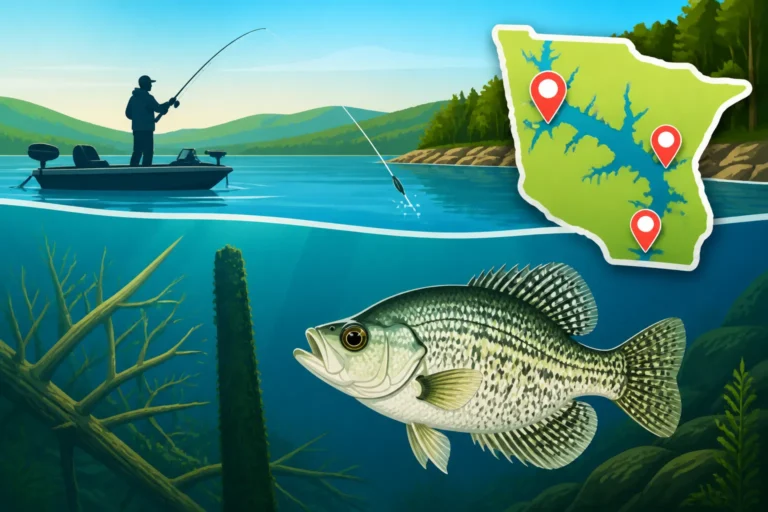
- Crappie: Crappie also love structure, especially standing timber, brush piles, and submerged tree tops. In remote coves, these structures may be more abundant and less picked over. They often suspend at specific depths, so using your electronics or carefully probing different depths with jigs is key.
- Striped Bass: While stripers are often associated with open water, they will push into larger coves, especially those with good depth and baitfish concentrations. If a remote cove connects to a deeper channel or main lake point, it could be a holding area for hungry stripers ambushing bait. Don't forget to check out our information on Striper Fishing Spots on Arkansas's Lake Ouachita for general striper tactics.
- Catfish: Channel, blue, and flathead catfish are all present in Lake Ouachita. Remote coves, particularly those with muddy bottoms, deep holes, or woody debris, can be excellent for catfishing. They are less picky eaters and will readily take live bait, cut bait, or stink baits presented on the bottom. To effectively target them, our guide on Catfish Fishing Spots on Arkansas's Lake Ouachita is a good starting point.
The beauty of unpressured fish is that they might respond to a wider range of presentations, and sometimes even simpler, more natural baits or lures can be highly effective. Don't be afraid to experiment!
Best Lures and Techniques for Remote Cove Fishing
Because fish in remote coves are less accustomed to heavy boat traffic and a constant stream of lures, you might find that slower, more subtle presentations are often the most effective.
- Soft Plastics: Weightless Texas-rigged worms, Senkos, or creature baits fished slowly around cover are deadly for bass. The natural fall and subtle action are irresistible to unpressured fish.
- Jigs: Flipping and pitching jigs into heavy cover is a classic tactic for big bass. For crappie, small marabou or plastic jigs under a bobber or slowly retrieved are excellent.
- Spinnerbaits and Bladed Jigs: These are great for covering water and triggering reaction strikes, especially if there's a bit of wind or stained water. Their flash and vibration can draw fish out of cover.
- Topwater Lures: In the early morning or late evening, or on cloudy days, topwater poppers, walk-the-dog baits, or hollow-body frogs fished over weed mats or around shallow cover can provide explosive strikes. Unpressured fish are often more willing to commit to a surface lure.
- Live Bait: For a surefire way to catch fish, especially crappie and catfish, live minnows, worms, or shad are incredibly effective. Presentation should still be quiet and natural.
- Quiet Approach: Regardless of your lure choice, a quiet approach is paramount. Use your trolling motor sparingly, paddle silently, and avoid dropping gear loudly in your boat. Remember, you're trying to capitalize on the fish's lack of wariness, so don't alert them to your presence.
- Fan Casting: Work a remote cove thoroughly. Don't just cast straight ahead. Fan cast to cover all angles around visible cover, depth changes, and potential ambush points. Often, fish will be holding just a few feet from where you thought they'd be.
Seasonal Considerations for Remote Fishing
The effectiveness of fishing remote coves can also vary significantly with the seasons, impacting fish behavior and their location within these secluded areas.
- Spring: As water temperatures rise, fish move into shallower remote coves for spawning. This is an excellent time to target bass, crappie, and sunfish around newly submerged vegetation, woody debris, and sandy flats. Post-spawn, fish will often remain in these coves, recuperating and feeding heavily.
- Summer: During the heat of summer, fish in remote coves will seek cooler, deeper water or dense shade. Look for coves with deeper channels, standing timber providing shade, or those fed by cooler springs. Early morning and late evening fishing will be most productive. Night fishing can also be a fantastic option for various species, as outlined in our guide to Night Fishing Spots on Lake Ouachita.
- Fall: As water temperatures cool, fish become very active, feeding aggressively in preparation for winter. They will move back into shallower remote coves, especially those with good baitfish populations. This is often considered one of the best times for consistent action.
- Winter: During colder months, fish become lethargic and often hold in deeper water, but not necessarily far from remote coves. Look for coves that feature deep pockets, channels, or steep breaks, where fish can comfortably suspend. Vertical jigging or slow-rolling deep-diving crankbaits can be effective.
By understanding these seasonal patterns, you can adjust your search for remote coves and your fishing techniques to maximize your chances of success year-round.
| Species Targeted | Preferred Remote Cove Features | Best General Lures/Techniques | Seasonal Considerations |
|---|---|---|---|
| Largemouth Bass | Submerged timber, brush, docks, rocky points, shaded banks | Soft plastics (Texas/Wacky Rig), jigs, topwater (early/late), spinnerbaits | Shallow in spring/fall, deeper cover in summer/winter |
| Crappie | Standing timber, brush piles, submerged trees, deep pockets | Small jigs (marabou/plastic), live minnows, spider rigging | Spawn in spring, deep in summer/winter, shallow in fall |
| Striped Bass | Coves connecting to deep channels, main lake points, baitfish schools | Live shad, large swimbaits, trolling (if space allows) | Follow baitfish, often deeper in warmer months |
| Catfish | Muddy bottoms, deep holes, woody debris, creek mouths | Cut bait, stink baits, live worms, bottom fishing rigs | Active in warmer water, deeper in colder months |
Respecting the Wilderness and Ethical Angling
When venturing into remote areas, it's crucial to remember that you are a visitor in an untouched ecosystem. Maintaining the pristine condition of these coves is everyone's responsibility, ensuring they remain beautiful and productive for years to come.
Leave No Trace Principles in Remote Areas
The "Leave No Trace" philosophy is paramount when visiting remote fishing coves. This means packing out everything you pack in, and then some.
- Trash: This is non-negotiable. All trash, including fishing line, bait containers, food wrappers, and anything else you brought with you, must leave with you. Even biodegradable items should be packed out, as they take time to decompose and can attract wildlife.
- Human Waste: Be prepared to properly dispose of human waste. Dig a cathole at least 200 feet from water sources and trails, or pack out solid waste.
- Minimize Disturbances: Avoid making excessive noise, disturbing wildlife, or altering the natural environment. Keep your impact as light as possible.
- Protect Vegetation: Avoid trampling plants along the shoreline. Anchor your boat carefully to avoid damaging submerged structures or scraping the lakebed.
- Campfire Safety: If camping, adhere strictly to fire regulations. Use established fire rings if available, or build small, contained fires. Ensure fires are completely out and cold to the touch before leaving.
By adhering to these principles, you help preserve the wild beauty and ecological integrity of Lake Ouachita's remote coves for future generations of anglers and nature lovers. These remote areas offer a glimpse into what The Best Remote and Less-Crowded Fishing Spots in Arkansas truly look like, and it's up to us to protect them.
Safety Precautions for Solo or Remote Trips
Fishing in remote areas, especially alone, comes with inherent risks. Proper preparation and a cautious mindset are essential for a safe and enjoyable trip.
- Inform Someone: Always tell a trusted friend or family member your float plan: where you're going, your planned route, when you expect to return, and what to do if they don't hear from you.
- Check the Weather: Lake Ouachita can experience sudden weather changes. Always check the forecast before heading out and be prepared for rain, wind, or storms. If severe weather is predicted, reschedule your trip.
- Emergency Gear: Beyond the essentials, consider a satellite messenger device (like a Garmin inReach or Zoleo) for communication in areas without cell service. A high-quality first-aid kit, a multi-tool, a headlamp, and a fire starter are also critical.
- Know Your Limits: Don't venture further than your physical capabilities or your vessel's limitations. Be realistic about how far you can paddle or how long you can comfortably be on the water.
- Stay Hydrated and Fed: Pack plenty of water and calorie-rich snacks, even for what seems like a short trip. Dehydration and low blood sugar can impair judgment in an emergency.
- Wildlife Awareness: While major predators are rare, be aware of snakes, insects, and other wildlife. Give animals their space and never feed them.
- Arkansas Fishing License Rules and Costs: Remember to always have your Arkansas Fishing License Rules and Costs and any necessary trout permits with you. Being in a remote area doesn't exempt you from regulations, and wardens do patrol even the quietest corners of the lake. Similarly, be aware of Arkansas Fish Size and Daily Limits to ensure you're fishing legally.
By taking these precautions, you can enjoy the peace and productivity of Lake Ouachita's remote fishing coves with confidence and security, making for a truly memorable adventure. If you're a beginner, it might even be wise to start with more accessible spots or even explore options for Family-Friendly Fishing Coves on Lake Ouachita before venturing too far off the beaten path. And for boat ramps that can get you closer to these remote zones without being right in the thick of the action, check out Boat Ramps on Lake Ouachita for Easy Bass Access.
Disclaimer
The information provided in this guide is for general informational purposes only. Fishing conditions and regulations in Arkansas can change. Always consult the latest official regulations from the Arkansas Game and Fish Commission before planning any fishing trip. Safety should always be your top priority when enjoying the outdoors.