White River Fishing Guides: Arkansas’s Trout Fishing Capital
Planning a fishing trip to the famed White River in Arkansas can feel a bit overwhelming, especially when you dream of hooking into those legendary trout but aren't quite sure where to begin. Between understanding the unique waters and knowing which techniques truly work, it's easy to feel like you're missing out. This comprehensive guide is here to walk you through everything you need to know about White River fishing guides, ensuring your adventure in Arkansas's trout fishing capital is successful, memorable, and frustration-free.
Why the White River is Arkansas's Trout Fishing Capital
When anglers talk about trout fishing in Arkansas, the conversation invariably turns to the White River. It's not just a river; it's an institution, a magnet for those seeking the thrill of a big bend in their rod and the challenge of outsmarting some truly magnificent fish. But what exactly makes this stretch of water so special?
A Unique Tailwater Ecosystem
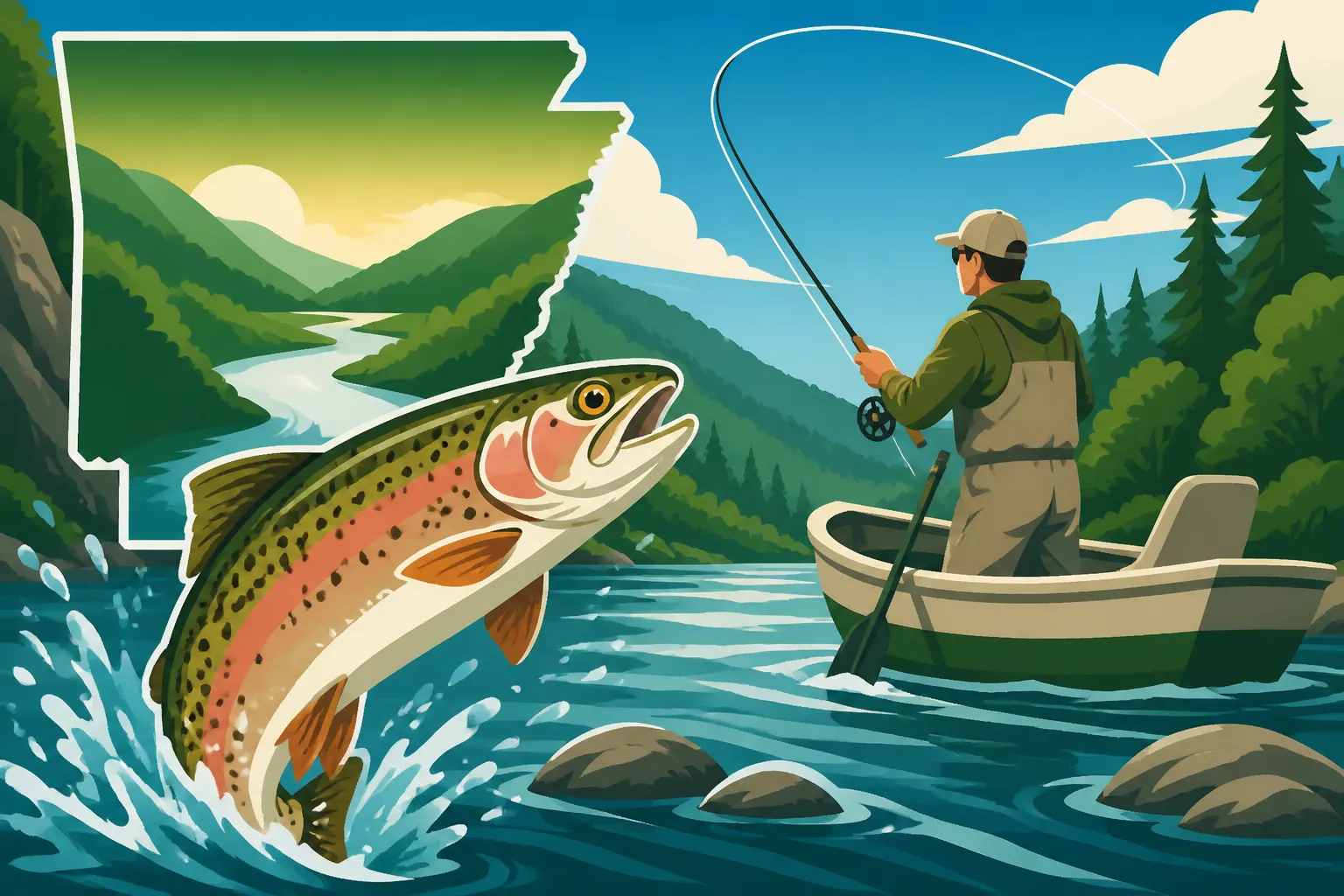
The magic of the White River as a premier trout fishery lies primarily in its unique ecosystem, which is a direct result of human intervention. Below the massive Bull Shoals Dam and the Norfork Dam, the river transforms into what is known as a "tailwater fishery." This means that the water released from the bottom of these deep reservoirs is consistently cold, even during the scorching Arkansas summers. This cold, oxygen-rich water creates the perfect environment for trout, species that simply cannot thrive in warmer temperatures.
The dams also regulate the river flow, creating a dynamic environment where water levels can fluctuate dramatically depending on power generation schedules. This constant change, while sometimes challenging, contributes to a rich, diverse aquatic insect population, which in turn provides an abundant food source for the trout. Imagine dense hatches of midges, caddis, and mayflies, often drifting lazily on the surface, just waiting to be slurped up by a hungry brown trout lurking below. This abundant food supply, combined with stable cold water, is the bedrock of the White River's reputation. It's a prime example of how nature, with a little nudge from engineering, can create an angler's paradise.
The Allure of Trophy Trout Potential
While many rivers boast trout, the White River is synonymous with one thing: trophy brown trout. It's a place where the stories aren't just about catching fish, but about catching giants. Anglers from all over the world descend upon these waters with the hope of landing a brown trout exceeding ten, fifteen, or even twenty pounds – fish that could easily be the catch of a lifetime. These aren't your typical stocked trout pond residents; these are wild, wily, and incredibly powerful fish that demand respect and skill.
The consistent food supply and the vast, deep pools provide ideal conditions for brown trout to grow to truly epic proportions. They are ambush predators, often hiding near structure or in deeper pockets, waiting for an unsuspecting meal to drift by. Catching one of these monsters requires patience, the right presentation, and often, a bit of luck. The fight is legendary; these fish will peel line, make powerful runs, and test your tackle to its limits. The chance to tie into such a magnificent creature is what keeps anglers coming back year after year, dreaming of that one massive brown that will forever etch their name into White River lore. It's a fishery that consistently produces opportunities for truly world-class catches, making it a bucket-list destination for many.
Types of Guided Trips Available on the White River
Embarking on a guided fishing trip on the White River isn't a one-size-fits-all experience. Guides offer a variety of trip types designed to cater to different skill levels, preferences, and fishing goals. Understanding these options is the first step in finding the perfect adventure for you.
Fly Fishing Versus Spin Fishing Excursions
One of the fundamental choices you'll make when booking a White River guide is whether to opt for a fly-fishing or spin-fishing excursion. Both methods are incredibly effective on the White River, and many guides are proficient in both, but they offer distinct experiences.
Fly fishing is often seen as the more traditional and artful method for trout. It involves casting lightweight flies with specialized fly rods and lines, mimicking the natural insects and baitfish that trout feed on. A fly-fishing guide will typically focus on teaching casting techniques, reading the water for subtle feeding cues, and selecting the right fly patterns. This can be a highly rewarding experience, especially if you're looking to learn a new skill or refine your existing fly-fishing prowess. Many anglers find the rhythm and precision of fly casting incredibly meditative. You might spend time nymphing deep, stripping streamers for aggressive browns, or delicately presenting dry flies to rising fish during a hatch. Guides like those found on platforms such as FishingBooker often specify their expertise in fly fishing, making it easy to find a specialist.
Spin fishing, on the other hand, utilizes conventional spinning rods and reels, employing various lures like small crankbaits, spoons, or soft plastics, as well as live bait such as PowerBait or worms. This method is generally more accessible for beginners, children, or those who prefer a less technical approach to casting. Spin fishing can be incredibly effective for covering water and targeting both rainbow and brown trout. A spin-fishing guide will focus on lure presentation, jigging techniques, and drift fishing with bait. Both methods are proven producers, and your choice often comes down to personal preference for technique or a desire to try something new. Some guides even offer hybrid trips where you can try both, giving you a taste of each method's effectiveness.
Half-Day Versus Full-Day Guided Trips
The duration of your guided trip is another key decision that will influence your experience. White River guides typically offer half-day and full-day options, each with its own set of advantages.
A half-day trip usually lasts around four to five hours. This is often an excellent choice for beginners, families with younger children, or anglers with limited time. It provides enough time to get comfortable with the boat and the guide, learn some basic techniques, and certainly catch some fish, without committing to a full day on the water. The pace is often a bit more relaxed, and it's less physically demanding. If you're new to trout fishing or just want a taste of the White River experience, a half-day trip can be perfect. It's also a great way to gauge if you enjoy guided trips before investing in a longer excursion. For a quick immersion into the White River's beauty and its fish, a half-day trip hits the spot.
A full-day trip, typically lasting seven to nine hours, offers a much more comprehensive experience. With more time on the water, you and your guide can explore a greater variety of fishing spots, target multiple species or techniques, and adapt to changing conditions throughout the day. This longer duration is ideal for serious anglers who want to maximize their chances of landing a trophy fish or for those who simply want to spend as much time as possible soaking in the natural beauty of the White River. A full-day trip often includes a shore lunch or a packed meal provided by the guide, allowing for a relaxed break before getting back to the action. For instance, if you're keen on targeting large brown trout, the extra hours a full-day trip provides can be invaluable for waiting out the bite or moving to more remote, productive stretches of river. Think about Full-Day vs Half-Day White River Trout Trips: Which to Book in Arkansas when making your decision.
Specialty and Multi-Day Trips
Beyond the standard half-day and full-day offerings, many White River guides also provide specialty trips tailored to specific interests or multi-day packages for an immersive adventure.
Specialty trips might include dedicated "trophy brown trout hunts," where the guide focuses exclusively on techniques and locations known for producing the largest fish. These trips might involve specific times of year or methods like throwing large streamers. Other specialty trips could be tailored for fly-fishing instruction, focusing intensely on casting mechanics or advanced nymphing strategies. Family-friendly trips are also common, where guides are patient and adept at teaching kids, making the experience fun and accessible for all ages. These might focus on quantity over size, ensuring the younger anglers stay engaged with frequent bites. You can often find guides specializing in these niche areas listed on booking sites like FishingBooker, with detailed descriptions of what they offer.
For those looking for an even deeper dive into the White River, multi-day packages are an excellent option. These can combine several full-day trips, often including lodging arrangements, allowing you to explore different sections of the river, try various techniques, and truly settle into the rhythm of the fishing. Imagine spending three full days targeting different species each day, or dedicating one day to learning dry fly techniques and the next to streamer fishing. These packages remove the hassle of daily planning and allow for a more relaxed, comprehensive fishing vacation. They are particularly popular for groups or individuals traveling a long distance to experience the White River's renowned fishing.
What to Expect on a White River Guided Trip
Booking a fishing guide, especially if it's your first time, can come with a mix of excitement and a few unknowns. Rest assured, White River guides are pros at making sure you have a fantastic, productive, and safe day on the water.
Gear and Equipment Provided
One of the biggest perks of hiring a White River fishing guide is that they typically provide all the necessary fishing gear and equipment. This is a huge relief for travelers who don't want to haul their own rods, reels, and tackle, or for beginners who don't own specialized trout fishing equipment.
Expect your guide to supply high-quality rods and reels suitable for the specific type of fishing you'll be doing – whether it's lightweight fly rods for delicate presentations or robust spinning gear for casting lures and handling larger fish. They will also have an extensive array of flies, lures, and terminal tackle, carefully chosen to match the current conditions and what the fish are biting on. This local expertise is invaluable; guides spend countless hours on the water and know exactly what's working day to day, saving you the guesswork and expense of buying a tackle box full of unknowns. In addition to fishing gear, guides will often provide safety equipment like life jackets, and sometimes even essentials like sunscreen or bug spray. It truly is a turn-key operation, allowing you to show up ready to fish without worrying about the specifics of your setup. This benefit is often a major factor in the total Arkansas Fishing Charter Costs: What to Expect.
The Guide's Multifaceted Role
A White River fishing guide is far more than just someone who drives a boat and points out fish. They embody a multifaceted role as an expert angler, teacher, naturalist, and safety officer, all rolled into one.
Their primary role, of course, is to put you on fish. They possess an intimate knowledge of the White River's currents, submerged structures, seasonal patterns, and where different species of trout tend to hold. They know which stretches of river fish best at certain water levels or times of day. Beyond finding the fish, they are skilled at instructing you on proper casting techniques, lure presentation, and how to detect subtle bites. If you're a beginner, they'll patiently teach you the basics; if you're experienced, they'll offer tips to refine your skills.
But a great guide's value extends far beyond the fishing itself. They are often passionate conservationists and stewards of the river, sharing insights into the local ecosystem, wildlife, and the history of the area. They'll teach you about proper fish handling techniques, especially important for catch-and-release, ensuring the health of the trophy fish population. Moreover, your guide is responsible for your safety throughout the trip, navigating the river expertly and being prepared for any unforeseen circumstances. They carry all the necessary permits and licenses for commercial operations, giving you peace of mind. Truly, they transform a simple boat ride into an educational and exhilarating adventure.
The On-Water Experience
So, what does a typical day on the White River with a guide actually look like? While every trip is unique, there's a general flow to the on-water experience that ensures a memorable day.
Your day will usually start at a pre-arranged meeting point, often a boat ramp or a guide's dock, typically early in the morning to capitalize on the best bite. After a quick greeting and rundown of the day, you'll board a comfortable, purpose-built fishing boat – usually a flat-bottomed jon boat or a drift boat designed for the river's conditions. Your guide will navigate to the chosen fishing grounds, which could be just minutes away or a bit of a ride, depending on current conditions and target species.
Once at a prime spot, the fishing begins. Your guide will position the boat strategically, often drifting downstream, allowing you to cast to productive seams, eddies, and submerged structures. They'll be constantly observing the water, monitoring your technique, and adjusting strategies as needed – changing flies, lures, or even moving to a new section of the river if the bite slows. There will be plenty of opportunities to ask questions, learn new skills, and, hopefully, land some impressive trout. During a full-day trip, a break for lunch is common, often enjoyed on a scenic riverside bank. The day concludes back at the launch point, where your guide will assist with photos, cleaning your legal catch if you choose to keep some, and recounting the day's highlights. It's an immersive experience designed to maximize your time and enjoyment on this incredible river.
Choosing the Right White River Guide
With so many excellent guides working the White River, deciding who to book can feel like a daunting task. However, by focusing on a few key aspects, you can find the perfect match for your fishing adventure.
Experience and Reputation
When it comes to choosing a White River guide, experience and a solid reputation are paramount. You want someone who has spent years, if not decades, intimately learning the nuances of this complex river. The White River is dynamic; water levels change, fish patterns shift, and successful angling often comes down to a guide's deep understanding of these subtle variations. An experienced guide has a vast mental library of prime fishing spots, backup plans for challenging conditions, and a proven track record of putting clients on fish.
How do you assess this? Start by looking for guides with established businesses and a history of positive client reviews. Online platforms like FishingBooker are fantastic resources for reading testimonials and seeing star ratings, giving you a glimpse into other anglers' experiences. Word-of-mouth recommendations from fellow anglers or local tackle shops are also incredibly valuable. A guide with a strong reputation for patience, expertise, and a friendly demeanor will not only enhance your chances of catching fish but also make the entire day more enjoyable. Don't be shy about asking how long they've been guiding the White River specifically; local knowledge is everything here.
Communication and Personality Fit
Beyond skill, a great guide is also an excellent communicator and someone whose personality aligns with yours. Think about what kind of experience you're looking for. Do you want a quiet, focused day with minimal chatter, or a more jovial, chatty guide who shares stories and jokes? Are you a serious angler looking to refine advanced techniques, or a beginner needing patient, step-by-step instruction?
Before booking, don't hesitate to reach out to potential guides via phone or email. This initial communication is crucial. Ask about their guiding philosophy, what they enjoy most about guiding, and how they approach teaching. Pay attention to how promptly and clearly they respond. A good guide will listen to your expectations and goals for the trip and confirm they can meet them. For instance, if you're bringing children, ensure the guide has experience with Kid-Friendly Fishing Charters in Arkansas and a patient, encouraging approach. A guide's personality can profoundly impact your trip, so finding someone you feel comfortable with and can easily communicate with will make all the difference in having a truly enjoyable and productive day on the water.
Certifications and Safety Measures
Your safety on the water should always be a top priority. While White River guides are generally highly professional, it's perfectly reasonable to inquire about their certifications and safety measures. Reputable guides operate legally and responsibly, adhering to all state and federal regulations.
Most professional fishing guides who operate motorized boats are licensed by the U.S. Coast Guard, a rigorous certification process that ensures they meet specific standards for boat operation, navigation, and passenger safety. They should also carry appropriate liability insurance. Don't hesitate to ask if your guide is Coast Guard licensed and insured. Furthermore, guides typically have extensive knowledge of first aid and carry essential safety equipment on board, such as life jackets (which are often mandatory to wear), first-aid kits, communication devices, and emergency signaling gear. They'll also be acutely aware of river conditions, including changing water levels and weather patterns, and prioritize your well-being. Knowing that your guide is properly certified and committed to safety allows you to relax and fully immerse yourself in the fishing experience, confident that you're in capable hands.
Booking Your White River Fishing Guide
Once you've decided a guided trip is right for you, the next step is actually securing your date. Planning ahead and knowing how to navigate the booking process can save you a lot of hassle.
When to Book Your Trip
The White River is a popular destination, and the best guides book up quickly, especially during peak seasons. Knowing when to book is crucial to ensure you get your preferred dates and guide.
Generally, the spring (March-May) and fall (September-November) are considered peak seasons for trout fishing on the White River. Spring sees active fish as insect hatches increase, and fall is prime time for targeting aggressive brown trout during their spawning run. If you're planning a trip during these periods, especially weekends or holidays, it's highly recommended to book your guide four to six months in advance, or even earlier for highly sought-after guides. Popular White River guides often have returning clients who book a year out!
Summer (June-August) can also be productive, particularly in the cooler tailwater sections, but might not be as intensely busy as spring or fall. Winter (December-February) offers a unique experience with fewer crowds and the potential for large brown trout, but weather can be more unpredictable. For these off-peak times, booking two to three months in advance might suffice, though earlier is always safer. If you're flexible with your dates, you might find more availability or even better rates during the weekdays or shoulder seasons. Consider checking Best Time of Year to Book a White River Trip for more specific seasonal insights.
Utilizing Online Resources for Booking
In today's digital age, finding and booking a White River fishing guide is easier than ever thanks to various online resources. These platforms streamline the process, allowing you to browse, compare, and book with confidence.
Dedicated online booking platforms, such as FishingBooker, are incredibly useful tools. They act as a central hub where numerous White River guides list their services, availability, pricing, and detailed trip descriptions. You can filter by target species, fishing technique (fly or spin), trip duration, and even read reviews from past clients. This allows for a transparent comparison of different guides, helping you make an informed decision. These platforms often handle the booking and payment process securely, providing confirmation and important trip details.
Beyond these booking sites, many reputable White River guides have their own professional websites, complete with calendars, contact forms, and personal anecdotes about their fishing philosophies. Local chambers of commerce or tourism websites for areas like Cotter, Bull Shoals, or Mountain Home often feature lists of guides operating in their region. When using any online resource, always cross-reference information and, if possible, reach out directly to the guide for any specific questions you may have.
Asking Key Questions Before Confirming
Before you finalize your booking and send a deposit, it's essential to ask a few key questions to ensure there are no surprises and that the trip aligns with your expectations. Don't be afraid to communicate openly with your potential guide.
Here are some crucial questions to ask:
- What's included in the trip price? Clarify if lunch, drinks, bait, tackle, and flies are covered. Some guides include everything, while others might expect you to bring certain items. See What's Included in an $800 White River Guide Trip for a general idea.
- What should I bring? Ask for a recommended packing list, including appropriate clothing layers, rain gear, sunscreen, a hat, and any personal snacks or drinks you might want. Packing Essentials for a Guided Trout Trip on the White River can give you a head start.
- Do I need a fishing license and trout permit? The answer is almost always yes, and it's your responsibility to purchase them beforehand. Confirm the specific requirements, especially for a trout permit. Read Arkansas Fishing License Requirements for Guided Trips to be prepared.
- What is your cancellation policy? Understand the terms if you need to cancel due to unforeseen circumstances, or if the guide has to cancel due to weather or river conditions. This is vital to protect your investment. Refer to Arkansas Fishing Guide Deposits and Cancellation Policies.
- What are your policies regarding catch and release vs. keeping fish? While many trophy-class fish are released, clarify if you can keep smaller, legal-sized fish for dinner, and if the guide will clean them.
- What is the maximum number of anglers per trip and what's the cost breakdown? This is especially important for groups, as costs can vary based on group size.
- How do you handle tipping? While we'll cover this later, it's good to know if it's customary for that particular guide.
Getting these details ironed out upfront ensures a smooth experience and helps manage expectations, leading to a much more enjoyable time on the water.
Preparing for Your White River Adventure
Once your White River fishing guide is booked, the anticipation builds! To ensure you're fully ready for a fantastic day on the water, a little preparation goes a long way.
What to Wear for the Day
The weather in Arkansas, especially in the Ozarks where the White River flows, can be quite variable, even on the same day. Layering is your best friend when it comes to dressing for a guided trip.
Start with a moisture-wicking base layer, even in cooler weather, as you'll likely be active. Over that, a mid-layer like a fleece jacket or sweater provides insulation. For your outer layer, a good quality waterproof and windproof jacket is essential. You never know when a sudden rain shower might roll through, or when the wind might pick up, especially if the boat is moving. Even on a sunny day, the air temperature can be quite different from the water temperature.
For bottoms, comfortable, quick-drying pants are advisable. Avoid heavy cotton if possible, as it stays wet and can make you cold. In colder months, thermal underwear under your pants is a smart choice. Footwear should be comfortable and offer good grip; waterproof boots or older athletic shoes that you don't mind getting wet are usually suitable. If you're fly-fishing and plan to wade, make sure your waders are in good repair. Don't forget a hat for sun protection and a pair of polarized sunglasses – they not only protect your eyes but also help you spot fish beneath the water's surface.
Essential Items to Bring
While your guide provides much of the fishing gear, there are several personal items you should absolutely bring along to enhance your comfort and overall experience. Thinking through these essentials ahead of time will prevent any minor inconveniences from detracting from your day.
First, and perhaps most importantly, bring your Arkansas fishing license and trout permit. This is a non-negotiable requirement, and your guide cannot legally take you fishing without it. Ensure you have the physical copy or an electronic version readily accessible. It's also a good idea to pack any personal medications you might need. A small, waterproof bag or dry sack is excellent for protecting your phone, camera, and other valuables from splashes or rain.
Hydration is key, so bring your preferred drinks (water, soda, juice) and some snacks to keep your energy up throughout the day, even if your guide provides lunch. A good camera (or your phone) is essential for capturing those memorable moments and trophy fish photos. Sunscreen and insect repellent are also highly recommended, regardless of the season, to protect yourself from the elements. Some anglers also like to bring a small towel, an extra pair of socks, or even a change of clothes to leave in the car for after the trip. While your guide is prepared for many contingencies, having your personal essentials covered means you can relax and focus entirely on the fishing.
Understanding License and Permit Requirements
Navigating fishing regulations can sometimes feel like a maze, but for the White River, it boils down to two key items you absolutely must possess: an Arkansas fishing license and a special trout permit. This applies to almost everyone, including children above a certain age, and certainly all adults.
First, you'll need a general Arkansas Fishing License. This is your basic permit to fish in the state's public waters. For Arkansas residents, there are various options, including annual and short-term licenses. Nonresidents will also need to purchase a specific nonresident license, which can be an annual or a 3-day trip license, depending on the length of your stay. You can easily purchase these online through the Arkansas Game and Fish Commission (AGFC) website, at many sporting goods stores, or even at some local bait shops. Make sure to buy it before your trip, as your guide cannot sell you one, and you don't want to waste valuable fishing time trying to acquire it.
Second, because the White River is a designated trout stream, you will also need an Arkansas Trout Permit. This is an additional permit required for anyone fishing in certain waters, including the White River, if they intend to retain trout. Even if you plan on catch-and-release, it's generally recommended to have it to avoid any ambiguity, though rules specifically state if you are retaining trout. Given the White River's trophy potential, many anglers are very keen on catch-and-release, but understanding this permit is crucial. This permit is an add-on to your general fishing license and can be purchased at the same time. Remember that these regulations are in place to help manage and conserve the incredible trout fisheries, so compliance is essential. Ensure you've reviewed the current Arkansas Fishing License Rules and Costs and Arkansas Trout Permit Rules before your trip to be fully prepared.
Costs and Inclusions of White River Guide Trips
Understanding the financial aspect of a guided White River fishing trip is important for planning your budget. While specific prices aren't static, we can explore the general pricing structure and what you can typically expect for your investment.
General Pricing Structure
The cost of a White River fishing guide trip is not a fixed number; it varies based on several factors, primarily the duration of the trip and the number of anglers in your party. Generally, guide services are priced per trip, not per person, up to a certain maximum number of anglers (usually two or three).
As we discussed, half-day trips are typically less expensive than full-day trips. This makes sense, as they require less time from the guide, less fuel, and fewer provisions. For example, a half-day trip might be structured for one or two anglers. A full-day trip, which is a significantly longer commitment, will naturally command a higher fee. If you bring a third angler, many guides will charge an additional "third-person fee" to cover the increased workload and resources.
It's also worth noting that highly experienced guides with exceptional reputations, or those who specialize in trophy hunts during peak seasons, might command a higher rate than newer guides or those offering more generalized trips. The key is to check with individual guides or booking platforms like FishingBooker for their specific rates, which will be clearly outlined for different trip types and group sizes. Remember, you're paying for their expertise, equipment, local knowledge, and the invaluable experience they provide. Don't be shy to compare different guides' stated prices and inclusions, as this varies considerably.
What's Typically Included (and What Might Be Extra)
Knowing what's included in the price of your guided trip helps manage expectations and ensures you're not hit with unexpected costs. Most reputable White River guides offer a comprehensive package, but there can be variations.
Typically Included:
- Boat and Fuel: The guide's specialized fishing boat and all the fuel needed for the day.
- Fishing Gear: High-quality rods, reels, and general tackle, including a wide selection of flies, lures, or bait. This is a major benefit, especially for beginners or those traveling light.
- Guide's Expertise: The invaluable local knowledge, instruction, and assistance throughout the trip.
- Safety Equipment: Life jackets, first aid kits, and other essential safety gear.
- Photography: Most guides are happy to take photos of your catches and the scenic beauty.
- Fish Cleaning: If you decide to keep legal-sized fish, many guides will clean them for you at the end of the day.
What Might Be Extra (or Your Responsibility):
- Fishing License and Trout Permit: Almost always your responsibility to purchase beforehand.
- Food and Drinks: While some full-day trips include a packed lunch or snacks, always clarify. Bringing your own is often a safe bet.
- Waders and Boots: If you plan on wade fishing, some guides might have loaners, but it's best to confirm or bring your own.
- Specialty Flies/Lures: While basic tackle is included, if you lose an excessive number of expensive flies or specific custom lures, some guides might charge a small fee.
- Gratuity (Tip): This is customary and expected for good service, and is not included in the upfront cost.
Always confirm the specific inclusions with your chosen guide before booking. A clear understanding of what you're paying for will lead to a more enjoyable and transparent experience. Review Arkansas Fishing Charter Costs: What to Expect for a general overview.
Tipping Etiquette for Guides
Just like in other service industries, tipping your White River fishing guide is customary and a widely accepted practice. It's a way to show appreciation for their hard work, expertise, and dedication to ensuring you have a successful and enjoyable day.
While the exact amount is always at your discretion and should reflect the quality of service you received, a general guideline for tipping fishing guides is typically 15-20% of the total trip cost. For exceptional service, going above 20% is certainly welcomed. Consider factors like how hard the guide worked to find fish, their patience and teaching ability, their communication skills, their boat handling, and their overall demeanor. Did they go above and beyond to make your trip special?
It's important to have cash on hand at the end of the trip for your tip, as many guides prefer it. Handing the tip directly to the guide at the conclusion of your day is the most common practice. Even if you had a slower fishing day, remember that a guide's effort and expertise don't always guarantee a boatload of fish, especially with wild trout. If they worked hard, provided excellent instruction, and maintained a positive attitude, they deserve a fair tip. Tipping is not just about the fish caught, but about the entire experience and the effort put in by your guide. Read Tipping Your Fishing Guide in Arkansas for more details on this important aspect of your trip.
Beyond the Trip: Etiquette and Memories
A guided fishing trip on the White River isn't just about the time you spend on the water; it's also about how you contribute to the overall health of the fishery and the lasting memories you create.
Embracing Catch and Release Philosophy
The White River is world-renowned for its trophy trout, especially brown trout. Maintaining this incredible fishery for future generations heavily relies on the practice of catch and release, particularly for larger fish. Many guides on the White River strongly advocate for catch and release, and some even operate entirely as catch-and-release guides, especially for the coveted brown trout.
When you do hook into a magnificent trout, your guide will instruct you on proper fish handling techniques. This includes minimizing the time the fish is out of the water, wetting your hands before touching the fish to protect its slime coat (which is its first line of defense against disease), and using de-barbed hooks to make release easier. For trophy fish, a quick photo opportunity is often taken, with the fish held gently over the water, then carefully revived until it can swim away strongly. While you are generally allowed to keep a legal limit of smaller trout for consumption (check current regulations for Arkansas Fish Size and Daily Limits), embracing the catch-and-release philosophy, especially for the larger, reproductively valuable fish, is a way to contribute to the sustainability of this unique resource. It’s a powerful way to ensure that others can also experience the thrill of the White River.
Preserving the Resource for Future Anglers
Being a responsible angler on the White River extends beyond just fish handling; it encompasses a broader commitment to preserving the natural beauty and ecological health of the entire river system. Your guide is a steward of these waters, and you should aim to be one too.
This means adhering to all fishing regulations, including size and daily limits, and understanding specific rules that might apply to certain sections of the river. It also means leaving no trace – packing out all your trash, including fishing line, bait containers, and any food wrappers. The White River's banks and waters should remain pristine for everyone to enjoy. Respecting private property along the riverbanks and being mindful of other anglers, kayakers, and wildlife observers are also crucial aspects of river etiquette. Your guide will embody these principles, and by following their lead, you contribute to a positive angling culture. This collective effort ensures that the White River continues to be a vibrant ecosystem and an outstanding fishery for generations of anglers to come.
Creating Lasting Memories and Stories
Beyond the fish you might catch, a guided trip on the White River is ultimately about creating lasting memories and collecting incredible stories. Whether you're a seasoned angler or a complete novice, the experience offers rich rewards.
It's the thrill of seeing an eagle soar overhead, the peaceful drift down a majestic river, the patient instruction from a knowledgeable guide, and the shared laughter when a fish finally takes your fly. It's the moments of quiet contemplation as you cast into a pristine run, or the adrenaline rush when a powerful brown trout finally strikes. You'll learn new techniques, gain a deeper appreciation for the aquatic environment, and perhaps even discover a new passion. Many anglers find that the camaraderie with their guide, the stunning scenery, and the lessons learned are just as valuable as any fish brought to the net. These are the moments you'll recount for years to come, the photographs you'll cherish, and the reasons you'll likely find yourself planning another return trip to Arkansas's trout fishing capital.
| Trip Type | Duration | Typical Inclusions (Beyond Guide/Boat) | Ideal For |
|---|---|---|---|
| Half-Day | 4-5 hours | Rods, reels, basic tackle, some flies/lures | Beginners, families, tight schedules |
| Full-Day | 7-9 hours | Rods, reels, extensive tackle, flies/lures, often lunch/drinks | Serious anglers, trophy hunts, immersive experience |
| Specialty | Varies (often full-day) | Specialized gear/flies, advanced techniques focused | Anglers with specific goals (e.g., trophy brown, fly casting clinic) |
| Multi-Day | 2+ full days | As above, sometimes includes lodging assistance | Deep immersion, exploring multiple areas, extended vacation |
Disclaimer
This article is for general informational purposes only and does not constitute professional advice. Laws, prices and regulations vary by location and change over time. Consult a qualified professional for guidance on your specific situation.