Where do the 2-trout daily limits apply on tailwaters
It can be incredibly frustrating to hit the beautiful tailwaters of Arkansas, eager to cast a line for some feisty trout, only to feel uncertain about the specific regulations, especially when it comes to daily limits. Anglers often wonder exactly where that sometimes-talked-about two-trout daily limit actually applies, and what it means for their trip. This comprehensive guide is here to clear up that confusion, diving deep into the specific tailwaters where this limit is enforced and why it's so important for maintaining Arkansas's world-class trout fisheries.
Understanding Arkansas's Tailwater Trout Regulations
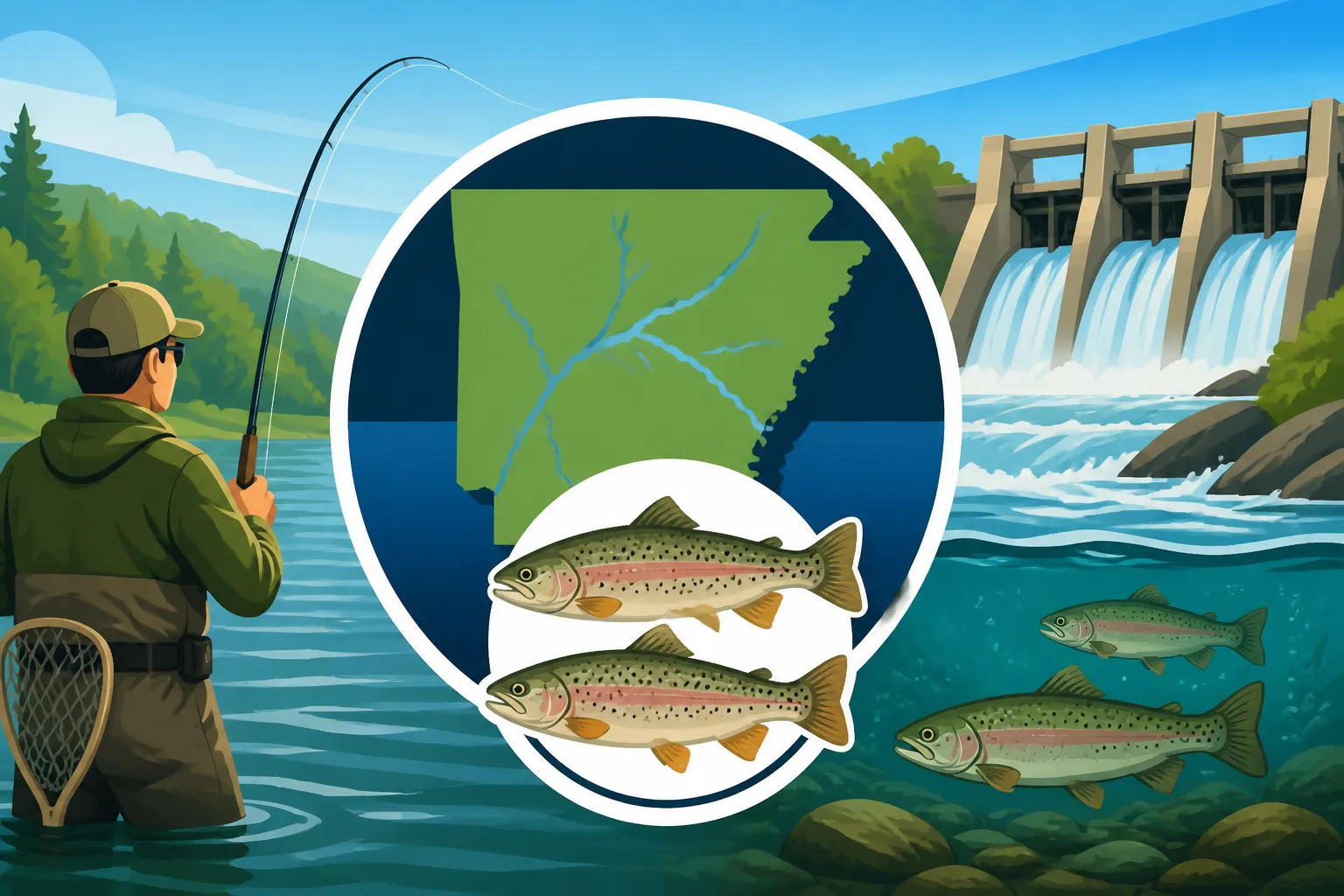
Arkansas is renowned for its exceptional trout fishing, largely due to the cold, oxygen-rich waters released from the bottom of its large hydroelectric dams, creating prime tailwater habitats. These unique environments support thriving populations of rainbow, brown, cutthroat, and brook trout. However, with such a valuable resource comes the need for specific regulations to ensure sustainability and quality fishing experiences for everyone. These rules, set by the Arkansas Game and Fish Commission (AGFC), can vary significantly from one body of water to another, making it crucial for anglers to stay informed. Getting caught out of compliance can lead to unexpected fines, so understanding these nuances is key to a successful and legal fishing trip. Always double-check the latest guide, but generally, the 2-trout daily limit for rainbow trout is a feature of some of our most popular trophy waters.
The Norfork Tailwater's Specific 2-Trout Limit
The Norfork Tailwater, stretching from the Norfork Dam downstream to the confluence with the White River, is one of Arkansas's premier destinations for trout fishing. It's famous for its abundant rainbow trout and offers some fantastic opportunities for catching beautiful fish. However, to maintain this incredible fishery, specific regulations are in place, and this is where the 2-trout daily limit comes into play for rainbow trout.
On the Norfork Tailwater, anglers are permitted to keep a daily limit of two (2) rainbow trout. This isn't just a simple catch-and-keep rule, though; there's a crucial size restriction to consider as well. Within that 2-trout limit, only one of those rainbow trout can be 14 inches or longer. This means if you catch a couple of smaller rainbows that are legal to keep, you're good. But if you land a magnificent 18-inch rainbow, you can keep it, but then any other keeper rainbow for that day must be under 14 inches. It’s a carefully crafted rule designed to protect the larger, spawning-age trout while still allowing anglers to take home some dinner. Many anglers come here specifically for the chance to hook into those larger fish, and this regulation helps ensure those trophy-sized trout continue to thrive and reproduce. Remember, a valid Arkansas Fishing License and an Arkansas Trout Permit are required here to keep trout.
Bull Shoals Tailwater: Where the 2-Trout Rule Applies
Just like its neighbor, the White River below Bull Shoals Dam, often referred to as the Bull Shoals Tailwater, also has sections where the 2-trout daily limit is strictly enforced for rainbow trout. This tailwater is arguably Arkansas's most famous trout fishery, drawing anglers from all over the world to its cold, clear waters. The specific segment where this 2-trout limit, with the one-over-14-inch restriction, applies is from the Bull Shoals Dam downstream to the White River's confluence with the Norfork River, including all the famous fishing spots like the Cotter area. This stretch of river is teeming with trout, including some truly monstrous brown trout, but the 2-trout daily limit primarily targets rainbow trout.
The reasoning here is identical to the Norfork: to foster a high-quality, sustainable fishery. By limiting the harvest of rainbow trout to two per day, with only one allowed over 14 inches, the AGFC ensures that there are always plenty of fish in the system. This allows younger trout to grow to maturity and larger trout to continue their spawning cycles, contributing to the overall health and abundance of the population. Anglers often spend their days here, enjoying the pristine environment and the challenge of catching these beautiful fish, knowing that the regulations help preserve the experience for future generations. For a detailed look at the specifics of Bull Shoals Tailwater Trout Rules in Arkansas, it’s always wise to consult the latest AGFC guide.
Distinguishing from Other Tailwater Regulations
It's really important to understand that not all of Arkansas's tailwaters follow the exact same 2-trout limit. The rules can be quite specific to each body of water. For instance, the Beaver Dam Tailwater on the White River, further upstream from Bull Shoals, often has more restrictive rules, sometimes even a one-trout limit (often for brown trout) or specific protected slot limits, along with lure restrictions. For example, some sections might only allow artificial lures with a single barbless hook. Similarly, the Spring River, while a fantastic trout fishery, usually has a general daily limit of five trout, though it also has a specific minimum length for Spring River Brown Trout Minimum Length in Arkansas.
This variability underscores the critical need for anglers to check the current Arkansas Fishing Regulations Guide every single time they plan a trip to a new or even a familiar tailwater. Don't assume that what applies to the Norfork also applies to the White River below Beaver Dam, or vice versa. Each tailwater has unique ecological characteristics and fishing pressure, necessitating tailored regulations to ensure its health. When fishing for species like trout, you’ll also need to be sure you have your Arkansas Trout Permit Rules squared away, as this is a separate requirement from your general fishing license.
Why These Tailwaters Have Special Trout Limits
The specific daily limits on the Norfork and Bull Shoals tailwaters aren't arbitrary; they are the result of extensive biological research, angler feedback, and a deep commitment to conservation by the Arkansas Game and Fish Commission. These regulations are meticulously designed to balance the desires of anglers with the long-term health of the fish populations. It’s a careful dance between providing opportunities for harvest and ensuring the sustainability of these precious resources.
Conservation and Quality Fishery Management
At the heart of these specific trout limits lies a strong commitment to conservation and maintaining a high-quality fishery. The AGFC manages these tailwaters as "put-grow-and-take" fisheries, meaning they stock numerous trout regularly, but also rely on natural reproduction to supplement the populations. By imposing a 2-trout daily limit, especially with the 14-inch size restriction, the aim is multifold.
Firstly, it reduces overall harvest pressure. With millions of anglers visiting these rivers each year, an unlimited or higher daily limit could quickly deplete the fish population, especially the more vulnerable larger fish. Secondly, the "one over 14 inches" rule specifically protects larger trout. These mature fish are crucial for successful spawning, contributing significantly to natural reproduction. If too many large fish are removed, the genetic diversity and reproductive capacity of the population could suffer, leading to smaller, less robust fish in the long run. By allowing only one larger fish, it ensures a healthy number of breeding adults remain in the river. This management strategy also helps maintain the impressive fighting quality of the fish, as healthy, robust populations tend to be more active and challenging to catch. It’s a continuous effort to ensure that Arkansas remains a top destination in The Best Trout Fishing Spots in Arkansas.
Protecting Trophy-Sized Trout
Beyond general conservation, these regulations are specifically geared towards fostering and protecting trophy-sized trout. Anglers, myself included, dream of hooking into a truly massive brown or rainbow trout. These legendary fish often take many years to grow to their impressive sizes, making them a precious commodity in any fishery. While the 2-trout limit primarily concerns rainbow trout, the overall management philosophy contributes to the environment where these bigger fish, including brown trout, can thrive.
The slot limit component (only one rainbow over 14 inches) on these tailwaters is a prime example of protecting these larger specimens. A 14-inch rainbow trout is a good-sized fish, but it's not quite a "trophy" in the same league as a 20-inch or larger specimen. By limiting the number of larger rainbows, the AGFC effectively creates a "protected slot" for those fish that have grown beyond a certain size. These larger fish are then left in the system to continue growing, reproduce, and provide exciting challenges for anglers pursuing truly big fish. Think about it: imagine landing a 20-inch rainbow, knowing that the regulations helped it reach that size. It makes the catch even more special. This dedication to protecting larger fish is why places like the White River are known globally for their incredible potential for trophy fish, as highlighted in guides like Trophy Brown Trout Records on the White River.
Practical Tips for Anglers on 2-Trout Limit Waters
Navigating specific fishing regulations can feel a bit overwhelming, but with the right preparation and mindset, it becomes second nature. When you're fishing on Arkansas's beautiful tailwaters that have these 2-trout daily limits, a few practical considerations can make all the difference, not just in staying compliant but in maximizing your enjoyment of the experience. After all, the goal is to have a fantastic time on the water, whether you’re keeping fish or practicing catch-and-release.
Essential Gear and Measuring Your Catch
If you plan to keep any trout on these 2-trout limit waters, having the right gear for accurate measurement is non-negotiable. It's not enough to eyeball a fish and guess if it's over or under 14 inches. A game warden will be using a precise measuring device, and so should you.
Firstly, a reliable fish measuring tape or bump board is absolutely crucial. These are inexpensive and readily available at most sporting goods stores or online retailers like Amazon. A bump board is particularly useful as it has a fixed end against which you can place the fish's nose for a truly accurate measurement. When measuring, lay the fish flat, with its mouth closed and against the bump, and measure to the tip of the tail. Don't crimp the tail; let it lie naturally.
Secondly, a small, accurate digital scale can be helpful if you want to track weights, but it's not strictly necessary for the limits themselves. However, if you're aiming for a personal best or curious about your catch, it's a great tool to have. Again, these are easily found on platforms like Amazon.
Finally, a rubber-coated landing net is highly recommended. These nets are much gentler on the fish than traditional nylon nets, minimizing slime removal and scale damage, which is critical for fish you plan to release. For those trout you do keep, ensure you dispatch them quickly and humanely. Having a small cooler with ice ready in your boat or nearby can preserve their quality. Knowing What Size Trout Must You Release on the Norfork Arkansas Tailwater is crucial for compliance, so practice measuring every fish.
Responsible Catch and Release Practices
Given the tight limits on these waters, especially the "one over 14 inches" rule for rainbow trout, many anglers will find themselves practicing catch and release for a significant portion of their day. Mastering proper catch and release techniques isn't just about following rules; it's about ethical angling and ensuring the survival of the fish you send back into the water.
- Minimize Handling: The less you handle a fish, the better. Try to keep the fish in the water as much as possible. If you must handle it, do so with wet hands to protect its delicate slime coat, which is its primary defense against disease.
- Barbless Hooks: Consider using barbless hooks, or at least pinching down the barbs on your hooks. This makes hook removal much quicker and causes less trauma to the fish, significantly increasing its chances of survival. You can find specialized tools for pinching barbs or even barbless hooks designed for trout fishing on Amazon.
- Prompt Release: Once you've measured or admired your catch, release it as quickly as possible. If a fish seems sluggish, gently hold it upright in the current, allowing water to flow over its gills until it regains its strength and swims away on its own power.
- Appropriate Tackle: Use tackle that is heavy enough to land the fish relatively quickly. "Playing" a fish for too long can exhaust it to the point where it won't recover after release.
- Lure Selection: Certain lures, like single-hook jigs or flies, tend to be less damaging than treble hooks, especially when fishing for trout that might swallow baits deeply. Many White River Fly Fishing Season Guide for Arkansas Anglers will emphasize these techniques.
By adopting these practices, you not only comply with the spirit of the regulations but also contribute directly to the health and vitality of these incredible fisheries. Every fish you release responsibly is a fish that can be caught again, or contribute to the next generation, ensuring that future anglers can enjoy the same fantastic experiences that draw us all to The Top Arkansas Lakes for Bass, Crappie, and Catfish and its amazing tailwaters.
Navigating Specific Trout Regulations in Arkansas Tailwaters
To help make sense of the differing regulations across Arkansas's popular trout tailwaters, here’s a quick overview focusing on the daily limits and key considerations. This table is a simplified guide and should always be cross-referenced with the most current AGFC Fishing Guide before heading out. The fishing in Arkansas, from its pristine rivers to its expansive lakes, offers diverse opportunities, but knowing the rules is paramount.
| Tailwater Section | Target Species (Primary) | Daily Limit (Rainbow Trout) | Size Restriction (Rainbow Trout) | Key Additional Regulations | Internal Link for More Detail |
|---|---|---|---|---|---|
| Norfork Tailwater | Rainbow, Brown | 2 | Only one over 14 inches | Requires an Arkansas Trout Permit | Trout Limits on the Norfork Tailwater in Arkansas |
| Bull Shoals Tailwater | Rainbow, Brown | 2 | Only one over 14 inches (from Dam to Norfork Confluence) | Requires an Arkansas Trout Permit | Bull Shoals Tailwater Trout Rules in Arkansas |
| Greers Ferry Tailwater | Rainbow, Brown | 5 | None (general statewide rules) | Requires an Arkansas Trout Permit | No direct link available in list, but relates to general trout rules |
| Beaver Dam Tailwater | Rainbow, Brown, Cutthroat | Varies (often 1 or 5) | Highly specific slot limits or minimums; often 14-20" slot | Catch & Release only in some areas; artificial lures/barbless hooks | No direct link available in list, but relates to general trout rules |
| Spring River | Rainbow, Brown | 5 | 16-inch minimum for Brown Trout | Requires an Arkansas Trout Permit | Spring River Brown Trout Minimum Length in Arkansas |
This table clearly illustrates that while the Norfork and a significant portion of the Bull Shoals Tailwater share the same 2-trout limit for rainbow trout, other popular tailwaters like Greers Ferry, Beaver Dam, and the Spring River operate under different daily limits and size restrictions. Always remember that regardless of the specific limits, you’ll also need to ensure you have all your proper licenses, including a general fishing license and the specific trout permit if you intend to keep trout. Many anglers opt to How to Buy an Arkansas Fishing License Online before their trip for convenience.
Disclaimer
The information provided in this guide is intended for general informational purposes only and does not constitute legal advice. Fishing regulations in Arkansas are subject to change by the Arkansas Game and Fish Commission (AGFC). While we strive to provide accurate and up-to-date information, it is the sole responsibility of the angler to consult the official, current AGFC Fishing Guidebook or website before engaging in any fishing activity. Non-compliance with fishing regulations can result in fines or penalties.