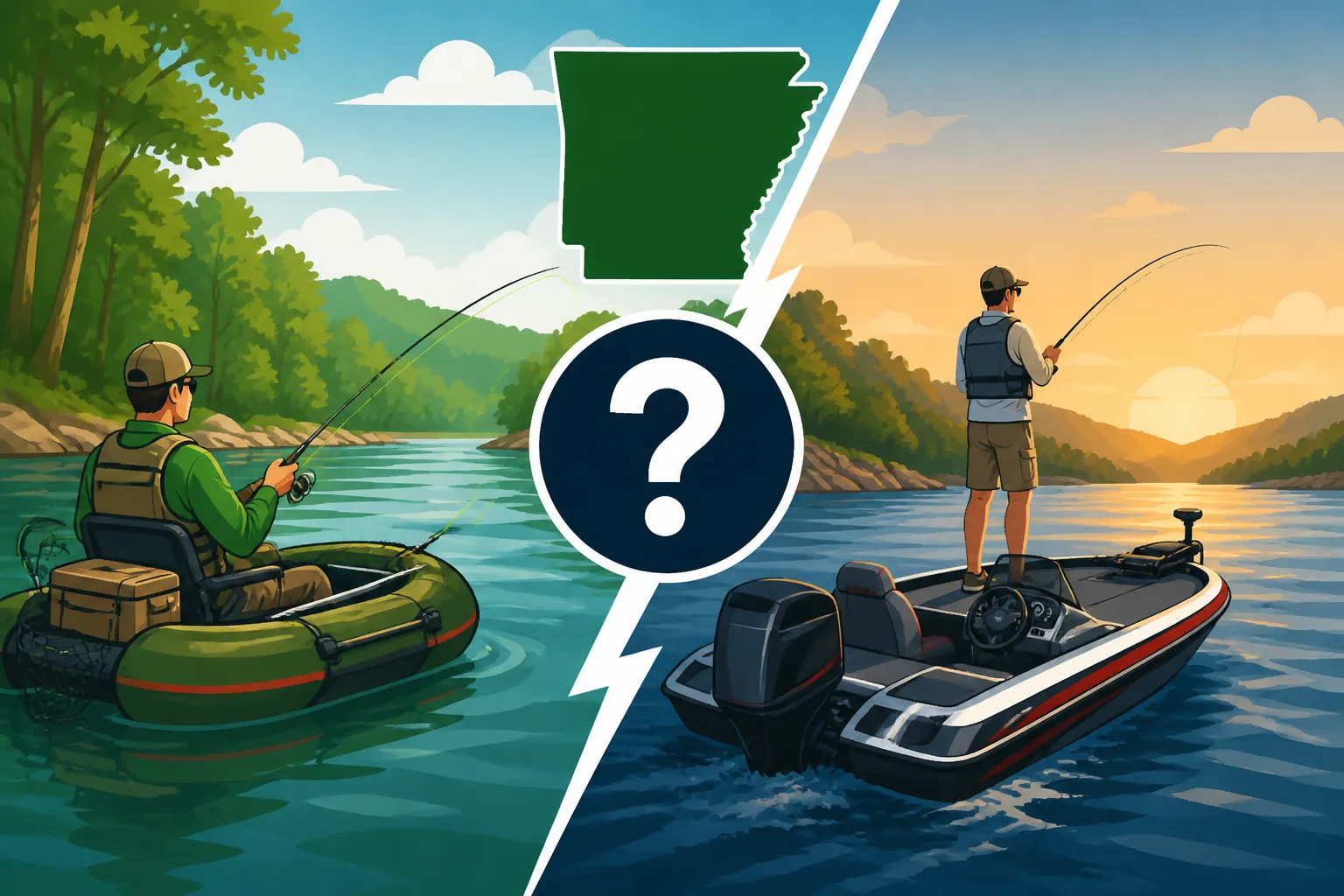
Do Float Trips Cost More Than Boat Trips in Arkansas?
It’s a common dilemma for anyone planning a guided fishing adventure in the Natural State: should you go with a serene float trip or a more robust boat trip? Many anglers scratch their heads, wondering not just about the experience, but also about the financial hit each option might entail. This guide will walk you through the nuances of both types of guided trips in Arkansas, helping you understand the factors that drive their costs and ultimately, how to choose the one that's perfect for your budget and angling dreams.
Understanding Guided Fishing Trips in Arkansas: Float Versus Boat
Before we dive into the nitty-gritty of pricing, let's clarify what we mean by "float trip" and "boat trip" in the context of Arkansas fishing. While both involve a vessel and a knowledgeable guide, the experiences they offer can be as different as casting a fly in a small stream versus trolling a deep reservoir.
What is a Float Trip?
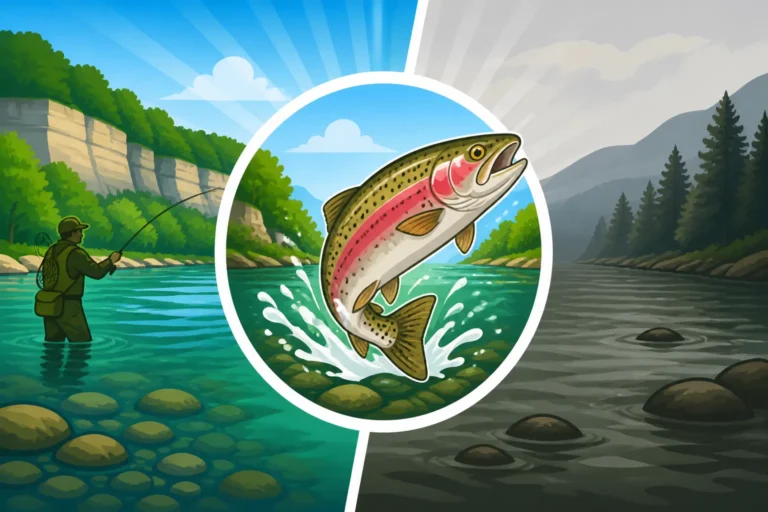
When folks talk about a "float trip" in Arkansas, they're usually envisioning a journey down one of our beautiful, clear-flowing rivers, often the White River or its tributaries, or perhaps a smaller Ozark stream known for smallmouth bass. Your vessel is typically a specialized drift boat, a jon boat, or sometimes even a canoe or kayak, designed to navigate shallower waters and allow for precise maneuvering.
The essence of a float trip is the gentle, unpowered drift (or minimal use of a trolling motor) downstream, allowing anglers to cast to specific spots, often targeting trout or smallmouth bass. It’s an immersive experience, connecting you intimately with the river environment. Your guide is usually actively rowing, steering, or poling, constantly adjusting your position to present the best angles to fish. This requires a specific skill set from the guide, often including an in-depth understanding of hydraulics, entomology (for fly fishing), and intimate knowledge of every riffle and pool. You might spend a portion of your day wading, too, stepping out of the boat into prime fishing areas. It's less about covering vast distances quickly and more about enjoying the journey and the concentrated fishing opportunities along a specific stretch of river. For many, the tranquility and focus on specific techniques, especially fly fishing, make Fly-Fishing Guide Trips on the White River in Arkansas an unforgettable experience.
What is a Traditional Boat Trip?
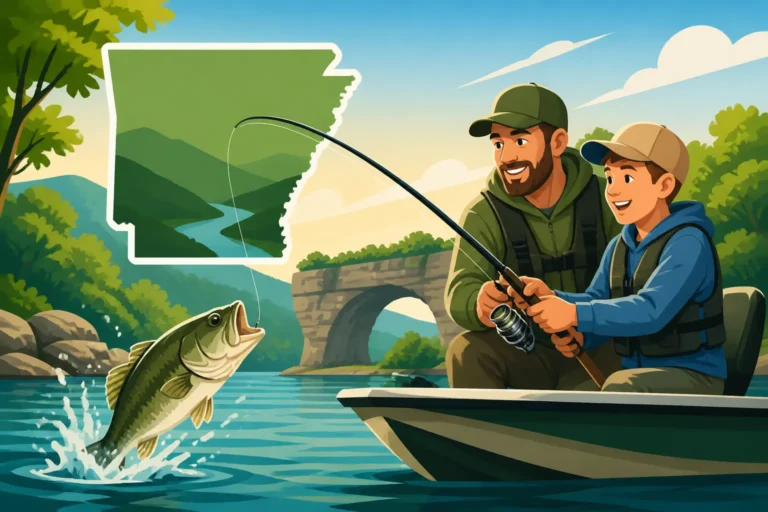
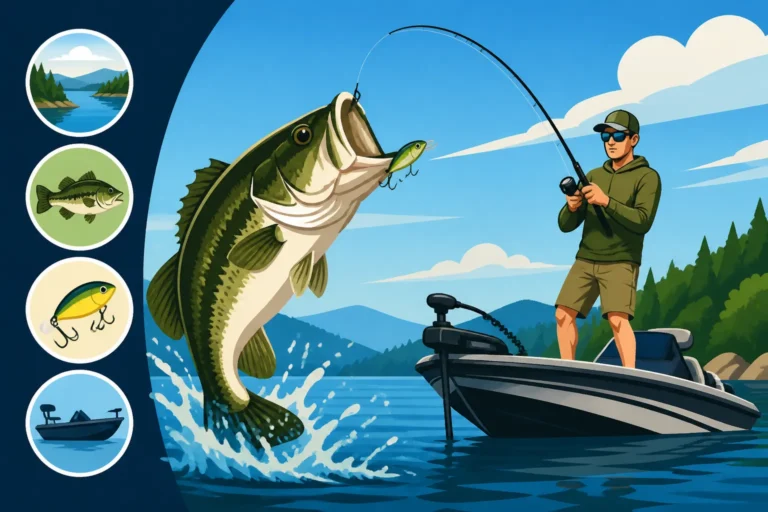
A traditional "boat trip" in Arkansas typically refers to fishing on one of our larger lakes or wider river sections, like the expansive Bull Shoals Lake, Norfork Lake, or Lake Ouachita. The vessels here are usually more substantial: think powerful bass boats, comfortable pontoon boats, or large V-hull boats, all equipped with powerful outboard motors to cover vast stretches of water quickly.
On a boat trip, the guide's role often involves navigating wide-open waters, using advanced electronics to locate fish, and positioning the boat over structure, humps, or deep channels where target species like largemouth bass, crappie, striped bass, or catfish reside. This type of trip offers more versatility in terms of species and techniques; you might be trolling, casting, jigging, or even bottom-fishing. The emphasis is often on efficiently finding and catching fish across a larger body of water, offering comfort and amenities often not found on smaller float boats, such as larger casting decks, more storage, and sometimes even a restroom on bigger pontoon charters. These trips are fantastic for groups, families, or those who prefer the convenience of moving between different fishing spots with ease. If you’re eyeing the big ones, checking out Trophy Striped Bass Fishing in Arkansas is definitely something you'll want to do with a guide who knows the best lake spots.
Factors That Influence the Cost of Any Guided Fishing Trip
Before we compare float and boat trips directly, it's essential to understand the general elements that roll into the price of any guided fishing adventure in Arkansas. These aren't unique to one type of trip but are universal considerations.
Trip Duration and Group Size
This is perhaps the most straightforward factor. Shorter trips, often half-day excursions (typically 4-5 hours), naturally cost less than full-day trips (usually 8-9 hours). The longer you want your guide's expertise and boat, the more you can expect to pay. Similarly, the number of anglers in your party significantly impacts the total cost. Most guides price their trips for one or two anglers, with an additional fee for each extra person, up to a maximum boat capacity (often three or four anglers, depending on the vessel and type of fishing).
For instance, a solo angler might pay a base rate, while two anglers pay a slightly higher combined rate. Adding a third person almost always incurs an additional fee because it means more gear, more guiding effort, and sometimes a need for a larger boat or more intricate logistics. If you're comparing Full-Day vs Half-Day White River Trout Trips: Which to Book in Arkansas, remember this primary cost driver.
Target Species and Specialized Gear
The fish you're hoping to catch can also play a role in pricing. Targeting elusive trophy brown trout on a specific tailwater, or pursuing hard-fighting striped bass in deep reservoir waters, often requires more specialized knowledge, equipment, and sometimes more expensive bait. Fly-fishing trips, for example, often involve high-quality rods, reels, lines, and custom-tied flies, all of which might be provided by the guide and factored into the cost.
A guide specializing in a particular, high-demand species or technique (like targeting record-breaking Trophy Brown Trout Records on the White River) might command a higher fee due to their niche expertise and the investment in specific gear to pursue those fish successfully. If you're just looking for panfish with basic spin gear, the trip will generally be less expensive than a dedicated, highly specialized trip.
Guide Experience and Reputation
Just like in any profession, experience and reputation matter. A highly sought-after guide with decades of experience, a proven track record of successful trips, and a deep understanding of local waters will often charge more than a newer guide building their clientele. This isn't just about catching fish; it's about their ability to read the water, adapt to changing conditions, provide excellent instruction, and ensure a safe and enjoyable experience.
Anglers often find that paying a bit more for an experienced guide is worth it for the increased chances of success and the overall quality of the outing. Online platforms like FishingBooker are excellent for checking out guides, reading reviews, and getting a sense of their reputation before you book. You’ll often find guides proudly displaying their years of service and success stories there.
Inclusions and Exclusions
What exactly is covered in the trip price? This is a crucial detail to clarify when comparing options. Some guides offer an all-inclusive package, providing everything from rods, reels, and tackle to bait, flies, drinks, and snacks. Others might cover just the guiding service and boat, expecting you to bring your own gear, food, and beverages.
Beyond the fishing equipment itself, consider other potential inclusions or exclusions:
- Bait and Tackle: Are live bait or expensive flies provided, or do you need to purchase them separately?
- Fish Cleaning: Will the guide clean and bag your catch at the end of the day?
- Photographs: Does the guide offer to take photos during the trip?
- Fishing License and Trout Permit: This is almost always not included. You are responsible for purchasing your Arkansas Fishing License Rules and Costs and any necessary Arkansas Trout Permit Rules beforehand.
- Gratuity: Tipping your guide is customary and expected, usually 15-20% of the trip cost. This is never included in the upfront price. Getting a clear understanding of what’s included is key to comparing apples to apples, as a seemingly cheaper trip might end up costing more once you factor in all the necessities.
The Specific Cost Landscape of Float Trips in Arkansas
Now, let's zero in on float trips. Because of their unique nature, several factors contribute to their cost.
Analyzing Typical Float Trip Expenses
Float trips, particularly for trout on the White River, often involve a different cost structure than lake trips. The boats themselves (drift boats, customized jon boats) are specialized and require ongoing maintenance. Furthermore, the act of guiding a float trip is incredibly hands-on. Your guide is not just driving; they're actively working the oars or a shallow-water motor, constantly positioning the boat, spotting fish, and helping with casts. This level of continuous engagement contributes to the cost.
- Specialized Equipment: Guides often provide high-quality fly fishing gear, custom-tied flies, and specialized terminal tackle, which are significant investments.
- Logistics: Many float trips require a shuttle service to move vehicles from the put-in point to the take-out point, a logistical cost that is typically absorbed into the trip price. This can be more complex for longer, multi-day floats.
- Focus on Technique and Education: Many float trip guides, especially those catering to fly anglers, are also educators, spending time teaching casting techniques, reading the water, and understanding insect hatches. This instructional aspect adds immense value.
- Access Fees: While less common, some private access points along rivers might incur a small fee, which the guide usually covers.
For these reasons, a float trip might seem to have a higher base price per person, especially if it's a fly-fishing specific trip. However, the personalized attention and the unique, uncrowded experience on smaller waters are often considered well worth the investment. For two anglers, a full-day White River trout trip can cost in a range that reflects the specialized nature of the experience and the guide’s expertise.
The Specific Cost Landscape of Traditional Boat Trips in Arkansas
Conversely, traditional boat trips on large lakes have their own set of cost considerations.
Analyzing Typical Boat Trip Expenses
Boat trips on large reservoirs, while often offering the ability to cover more ground, also come with substantial operational costs for the guide.
- Vessel Investment: Bass boats, striper boats, or pontoon boats are significant investments, often costing tens of thousands of dollars. Maintenance, insurance, and storage for these larger vessels are ongoing expenses.
- Fuel Consumption: Covering vast distances on a large lake with a powerful outboard motor burns a considerable amount of fuel, which is a major operating cost for the guide. This is especially true for trips targeting far-flung hotspots for species like striped bass.
- Advanced Electronics: Modern lake guides often utilize sophisticated electronics, including side-imaging sonar, down-imaging sonar, and GPS mapping systems, which are expensive to purchase and maintain. These tools are crucial for locating structure and schools of fish in deep water.
- Bait Costs: For certain species like catfish or striped bass, guides might provide expensive live bait (e.g., shad or shiners) in large quantities, which can add to the trip's cost.
- Capacity and Comfort: While larger boats mean more fuel, they also mean more space and comfort for anglers, especially for families or groups. This capacity can sometimes make the per-person cost slightly lower for larger groups compared to a small drift boat with limited capacity. Many families find Family-Friendly Fishing Spots at DeGray Lake State Park are best explored from a comfortable boat with a guide.
The perception might be that boat trips are generally less expensive, but when you factor in the overhead for larger vessels, fuel, and technology, the costs are often comparable to float trips, just driven by different operational expenses.
Comparing Float Trip and Boat Trip Costs in Arkansas
Let's put it all into perspective. While I can't give you exact dollar figures, I can show you how the costs generally compare based on typical offerings in Arkansas.
| Feature / Trip Type | Typical Float Trip (e.g., White River Trout) | Typical Boat Trip (e.g., Lake Ouachita Bass/Crappie) |
|---|---|---|
| Vessel | Specialized drift boat, jon boat, canoe, kayak | Bass boat, pontoon boat, large V-hull |
| Primary Propulsion | Oars, current, shallow-water trolling motor | Powerful outboard motor, electric trolling motor |
| Operational Costs | Guide's physical effort, shuttle fees, specialized fly/wade gear, instruction | Fuel, large boat maintenance, advanced electronics, expensive live bait (for some species) |
| Typical Target Fish | Trout (rainbow, brown), smallmouth bass | Largemouth bass, crappie, striped bass, catfish, bream |
| Experience | Scenic, intimate, focused on specific river sections, often educational | Covers vast areas, versatile techniques, more comfort/amenities, often targeting multiple spots |
| Pace | Deliberate, drifting with the current, frequent stops | Faster transit between spots, covering more water |
| Cost Drivers | Guide's hands-on work, specialized knowledge, gear investment | Boat investment, fuel, high-tech electronics, live bait volume |
| Group Size Impact | Often limited to 1-2 anglers for optimal experience; max 3-4 on larger jon boats | Can often accommodate 2-4 anglers comfortably; pontoon boats sometimes more for family trips |
As you can see, both trip types have unique cost drivers. It's not necessarily that one always costs more than the other, but rather that the cost is structured around different operational needs and the unique value each experience provides. You might find a high-end, specialized float trip for trophy trout in the same price range as a full-day guided striper trip on a large lake.
Beyond the Price Tag: Value and Experience
When you're trying to decide, it’s really about more than just the immediate dollar amount. Think about the kind of day you want to have, the fish you hope to catch, and the memories you want to make.
The Unique Experience of a Float Trip
There's an undeniable magic to a float trip, especially on Arkansas's legendary trout waters. Imagine drifting silently down the White River as mist rises off the water, the sounds of nature surrounding you, and the rhythmic cast of a fly rod. It's often a more tranquil, focused, and immersive experience. You're moving at the pace of the river, truly appreciating the scenery and the intricate ecosystem. For many, it's less about filling a cooler and more about the art of fishing, the challenge of the cast, and the connection to the natural world.
Float trips excel at offering:
- Unparalleled Scenery: Getting into parts of the river that are difficult to access otherwise.
- Focused Fishing: Concentrating on specific stretches of water and prime holding lies.
- Instructional Opportunities: Guides can easily provide hands-on casting tips and entomology lessons.
- Specific Species Access: Often the best way to target wild brown trout or smallmouth in smaller, wadeable streams.
If your ideal day involves peaceful solitude, refined techniques, and a deep appreciation for the river environment, a float trip might offer incredible value for your investment.
The Convenience and Versatility of a Boat Trip
On the other hand, a traditional boat trip on a large lake offers its own set of advantages, primarily convenience, speed, and versatility. If you're looking to maximize your chances of catching a variety of species, cover a lot of water to find active fish, or simply enjoy a comfortable day on the lake with friends or family, a boat trip is hard to beat.
Boat trips shine when you want to:
- Cover More Water: Quickly move between distant fishing spots or chase schooling fish.
- Target Diverse Species: Shift tactics from bass to crappie to catfish, depending on what's biting.
- Enjoy Comfort and Amenities: Larger boats often have more space, comfortable seating, and sometimes even a head (restroom).
- Accommodate Larger Groups: Many pontoon or large V-hull charters can take more people, making them ideal for family outings or corporate trips.
- Fish Deep Water: Access offshore structures and deep-water fish with advanced electronics.
For those who prioritize efficiency, comfort, and the ability to explore extensive waterways, a boat trip on one of Arkansas's many amazing lakes offers fantastic value. The Top Arkansas Lakes for Bass, Crappie, and Catfish are prime candidates for this type of guided excursion. When you are ready to book, resources like FishingBooker can help you sort through guides who offer both types of experiences, detailing what kind of boat they run and what species they specialize in.
Making the Right Choice for Your Arkansas Fishing Adventure
So, how do you finally make that decision? It boils down to asking yourself the right questions and aligning your expectations with the guide's offerings.
Questions to Ask Your Prospective Guide
When you're researching guides – perhaps browsing profiles on FishingBooker or looking at individual guide websites – don't hesitate to reach out and ask specific questions. This will help you understand their service better and compare apples to apples.
Here are a few questions to consider:
- "What type of boat do you primarily use for your trips, and how many anglers can it comfortably accommodate?"
- "What's included in the price? (e.g., rods, reels, tackle, bait, flies, drinks, snacks, fish cleaning?)"
- "Are there any additional costs I should anticipate, such as fuel surcharges or shuttle fees?"
- "What species do you specialize in, and what techniques will we be using?"
- "Can you accommodate specific requests, like focusing on fly fishing only or targeting a specific trophy fish?"
- "What is your cancellation policy in case of bad weather or unforeseen circumstances?" This is especially important for Arkansas Fishing Guide Deposits and Cancellation Policies.
- "Do you provide life vests for all passengers, especially children?" Safety is paramount.
- "What's your typical itinerary for a half-day versus a full-day trip?"
A reputable guide will be happy to answer all your questions thoroughly, helping you feel confident in your choice.
Considering Your Goals and Preferences
Ultimately, the best choice isn't necessarily the cheapest one, but the one that best fits your personal preferences and angling goals.
- What kind of fish do you want to catch? If it's trout or smallmouth in a river setting, a float trip is often superior. If it's bass, crappie, or stripers on a large lake, a boat trip is usually the way to go.
- What's your comfort level and physical ability? Float trips can sometimes involve wading or navigating smaller spaces. Boat trips on large lakes generally offer more stable platforms.
- Who are you fishing with? For families with young children or those seeking maximum comfort, a spacious boat trip might be more appealing. For dedicated anglers or those looking for a quiet, educational experience, a float trip could be perfect. You can often find Kid-Friendly Fishing Charters in Arkansas that cater to all ages.
- What's your budget for the experience? Don't just look at the raw number; consider the value of the instruction, the scenery, the specific fish caught, and the overall enjoyment of the day.
In Arkansas, whether a float trip or a boat trip costs more isn't a simple answer; it depends heavily on the specific guide, the duration, the target species, and the level of service. Both offer incredible opportunities to explore the state's diverse fisheries with an expert by your side. By understanding the factors at play and asking the right questions, you can choose the guided trip that promises the most rewarding adventure for you.
Disclaimer
This article is for general informational purposes only and does not constitute professional advice. Laws, prices and regulations vary by location and change over time. Consult a qualified professional for guidance on your specific situation.